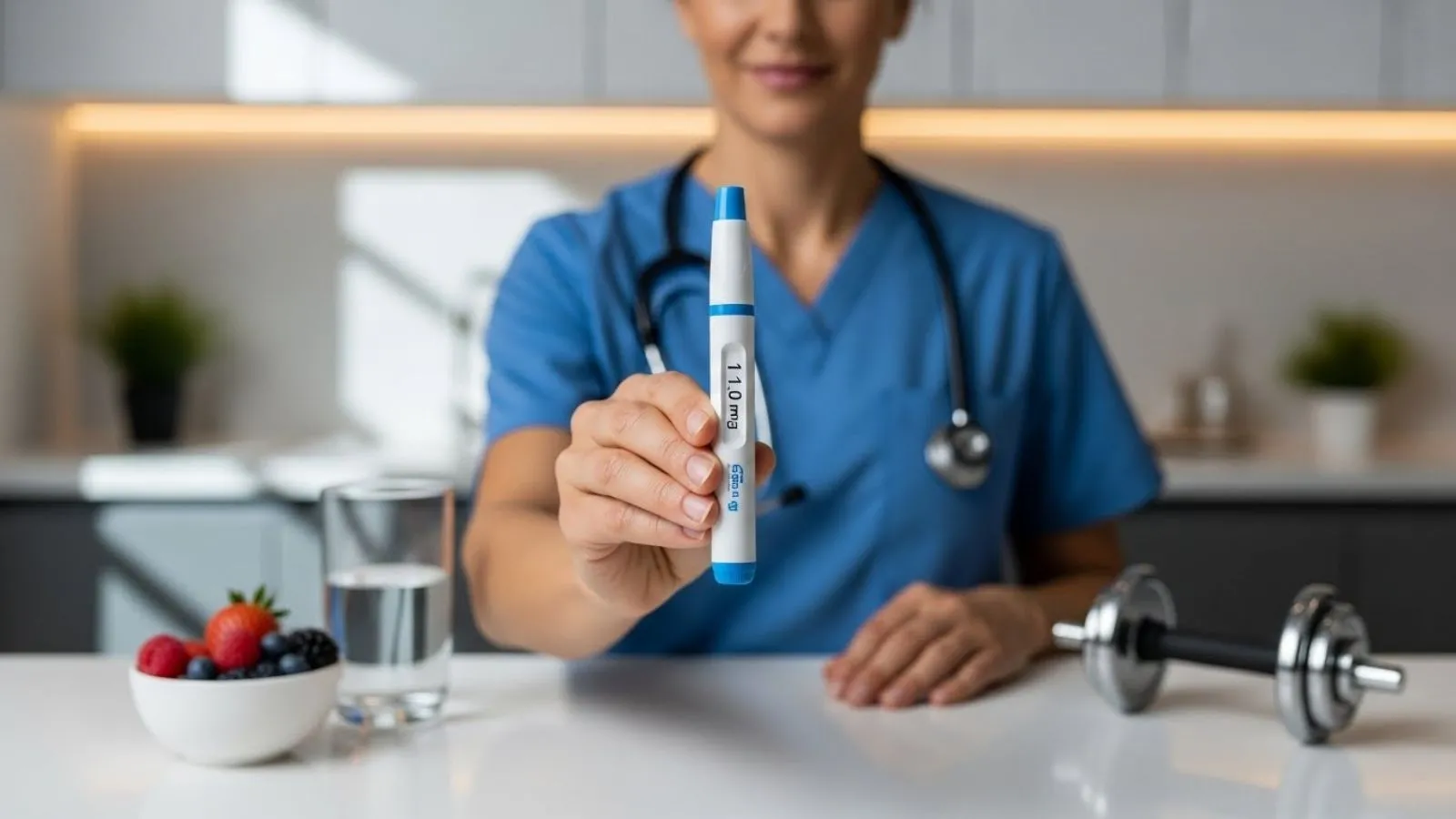
Weight loss injections have quickly become one of the most talked-about medical solutions for people struggling to lose weight through diet and exercise alone. With rising obesity rates and increased awareness of metabolic health, many individuals are now asking a critical question: what is the best injection for weight loss? Unlike traditional weight loss pills, injections work directly on hormones that control appetite, digestion, and blood sugar levels, making them a powerful option when used correctly. However, not all weight loss injections are the same, and results can vary based on lifestyle, medical history, and consistency. While these treatments can support significant weight loss, they are not magic fixes and should always be used under medical supervision. In this article, we’ll explore how weight loss injections work, the different types available, their effectiveness, potential risks, and how to determine which option may be best for your personal weight loss goals.
Understanding Weight Loss Injections
Weight loss injections are medically designed treatments that help regulate the body’s appetite, metabolism, and blood sugar response. Unlike oral weight loss pills that pass through the digestive system, injections are absorbed directly into the bloodstream, allowing them to act more efficiently and consistently. Most prescription weight loss injections work by mimicking or enhancing natural hormones that signal fullness to the brain, helping individuals eat less without constant hunger.
One of the key ways weight loss injections function is by reducing appetite. They send signals to the brain that promote satiety, meaning you feel full sooner and stay full longer after meals. At the same time, these injections often slow down digestion, which prevents sudden spikes in blood sugar and reduces cravings for high-calorie foods. For people who struggle with emotional eating or constant hunger, this hormonal regulation can make a significant difference.
Another important benefit is improved blood sugar control. By stabilizing insulin levels, weight loss injections help reduce fat storage and support steady energy throughout the day. This is especially beneficial for individuals with insulin resistance, prediabetes, or obesity-related metabolic issues.
It’s important to understand that weight loss injections are not cosmetic shortcuts. They are medical tools intended for people who need structured support to manage their weight. When combined with a balanced diet, regular physical activity, and healthy lifestyle habits, these injections can become an effective part of a long-term weight management plan rather than a temporary solution.
Types of Weight Loss Injections
There are several types of weight loss injections available, and each works differently depending on the body’s needs and health conditions. Understanding these options is essential before deciding which injection may be best for weight loss.
One of the most widely used categories is GLP-1 receptor agonist injections. These injections mimic a natural hormone that helps regulate appetite and blood sugar levels. By signaling fullness to the brain, they reduce hunger and help control portion sizes. Many people experience steady and sustainable weight loss when these injections are used consistently alongside lifestyle changes.
Another option is lipotropic injections, often referred to as fat-burning shots. These typically contain a blend of vitamins, amino acids, and compounds that support liver function and fat metabolism. While lipotropic injections can boost energy and improve fat breakdown, they usually work best as a supportive treatment rather than a standalone weight loss solution.
Some individuals may also be prescribed hormone-based injections, especially when weight gain is linked to hormonal imbalances. These treatments require careful medical monitoring and are usually recommended only after thorough testing.
It’s important to note that not all injections are FDA-approved for weight loss, and unregulated products can be unsafe. Choosing the right type of injection depends on factors such as medical history, weight loss goals, and professional medical advice. No single injection is perfect for everyone, which is why personalization is key to long-term success.
How Effective Are Weight Loss Injections?
The effectiveness of weight loss injections depends on several factors, including the type of injection used, consistency, and individual lifestyle habits. Clinical studies and real-world use show that many people experience noticeable weight loss within the first few weeks, especially as appetite control improves. However, results are typically gradual and designed to support sustainable weight management rather than rapid, unhealthy weight loss.
One of the main reasons weight loss injections are effective is their ability to control hunger signals. By reducing cravings and emotional eating, individuals often find it easier to maintain a calorie deficit without feeling deprived. This leads to more consistent eating patterns and improved adherence to healthier diets.
Weight loss injections also work best when combined with behavioral changes. People who adopt balanced nutrition, regular physical activity, and proper sleep routines tend to see better and longer-lasting results. On average, medically supervised patients may lose a significant percentage of their body weight over several months, although individual outcomes vary.
It’s important to manage expectations. Weight loss injections are not instant fat-melting solutions. Some weeks may show faster progress, while others may feel slower as the body adjusts. Plateaus are normal and can often be addressed through dietary adjustments or increased activity.
Long-term success depends on whether healthy habits continue after treatment. Injections can help initiate weight loss, but maintaining results requires commitment to lifestyle changes. When used responsibly and under medical supervision, weight loss injections can be an effective and supportive tool for achieving healthier body weight and improved overall well-being.
Side Effects and Safety Considerations
While weight loss injections can be effective, understanding their potential side effects and safety considerations is essential before starting treatment. Like any medical therapy, these injections may cause mild to moderate side effects, especially during the early stages as the body adjusts.
Common side effects often include nausea, vomiting, bloating, constipation, or diarrhea. These symptoms usually improve over time as dosage is gradually increased. Some people may also experience fatigue, headaches, or dizziness, particularly in the first few weeks of treatment. Staying hydrated and following prescribed dietary guidelines can help minimize discomfort.
More serious side effects are less common but should not be ignored. In some cases, individuals may experience gallbladder issues, digestive complications, or changes in blood sugar levels. This is why medical supervision is critical throughout the treatment process. Regular follow-ups allow healthcare providers to monitor progress and adjust dosages safely.
Weight loss injections are not suitable for everyone. People with certain medical conditions, such as a history of specific thyroid disorders, pancreatitis, or severe gastrointestinal diseases, may be advised against using injectable weight loss treatments. Pregnant or breastfeeding individuals should also avoid these injections.
Safety also depends on the source of the injection. Using unregulated or non-prescription products can pose serious health risks. Always obtain weight loss injections from licensed medical providers and follow professional guidance. When used responsibly, with proper screening and monitoring, weight loss injections can be a safe and effective option for many individuals seeking medical support for weight management.
Who Should Consider Weight Loss Injections?
Weight loss injections are generally recommended for individuals who have struggled to lose weight through traditional methods such as diet and exercise alone. They are often prescribed to people with a higher body mass index (BMI) or those who have weight-related health conditions that increase medical risk.
Heavier people-related issues such as type 2 diabetes, insulin resistance, high blood pressure, or polycystic ovary syndrome (PCOS) may benefit the most from weight loss injections. These treatments not only support weight reduction but can also help improve metabolic health and blood sugar control when used appropriately.
Weight loss injections may also be suitable for individuals who experience constant hunger, strong food cravings, or emotional eating patterns that make calorie control difficult. By regulating appetite-related hormones, injections can provide the structure and support needed to develop healthier eating habits.
However, not everyone is an ideal candidate. Individuals with a normal BMI who are seeking quick cosmetic weight loss may not qualify for medical injections. Additionally, people with certain medical histories, including severe gastrointestinal conditions or specific endocrine disorders, may be advised against this treatment.
A thorough medical evaluation is essential before starting weight loss injections. Healthcare providers typically review medical history, current medications, lifestyle habits, and weight loss goals to determine eligibility. The best injection for weight loss is not defined by popularity but by how well it aligns with an individual’s health profile. When prescribed responsibly, weight loss injections can be a valuable tool for those who truly need medical support to achieve long-term weight management.
Cost, Accessibility, and Long-Term Commitment
The cost of weight loss injections can vary widely depending on the type of injection, treatment duration, and location. Monthly expenses may range from moderate to high, especially for prescription-based injections that require ongoing medical supervision. Some insurance plans may cover part of the cost, particularly if the injections are prescribed for obesity-related medical conditions, but coverage is not guaranteed and often depends on individual policies.
Accessibility is another important factor. In many regions, weight loss injections are only available through licensed healthcare providers or specialized weight loss clinics. This ensures safety and proper monitoring but may limit access for some individuals. Online or unregulated sources should be avoided, as they pose significant health risks.
Long-term commitment plays a major role in the success of injectable weight loss treatments. These injections are typically part of a structured program that includes dietary changes, physical activity, and lifestyle counseling. Stopping injections abruptly without maintaining healthy habits may lead to weight regain, which is why ongoing support is crucial.
It’s also important to consider the emotional and behavioral aspects of weight loss. Injections can reduce hunger, but they do not automatically change eating habits or lifestyle choices. Individuals who commit to long-term behavior changes are more likely to maintain results after treatment ends.
Before starting, patients should discuss not only the expected benefits but also the financial and lifestyle commitments involved. Choosing the best injection for weight loss means finding a solution that is sustainable, medically appropriate, and aligned with long-term health goals rather than short-term results.
Myths and Misconceptions About Weight Loss Injections
Weight loss injections are often surrounded by myths that can create unrealistic expectations or unnecessary fear. One of the most common misconceptions is that injections cause instant fat loss without any effort. In reality, these treatments work by supporting appetite control and metabolic balance, not by melting fat overnight. Healthy eating and physical activity are still essential for meaningful results.
Another widespread myth is that weight loss injections are unsafe for everyone. While side effects can occur, medically approved injections prescribed under professional supervision are generally considered safe for eligible individuals. Problems often arise when people use non-prescription or unregulated products without medical guidance.
Some believe that once weight is lost through injections, it will never return. This is misleading. Weight regain can happen if lifestyle habits are not maintained after treatment. Injections help initiate and support weight loss, but long-term success depends on consistent healthy behaviors.
There is also a misconception that weight loss injections are only for people with diabetes. Although some injections were initially developed for blood sugar control, they are now widely prescribed for non-diabetic individuals with obesity or weight-related health risks.
Lastly, many assume injections are a last resort. In reality, they can be part of an early, structured intervention plan when traditional methods fail. Understanding the facts helps individuals make informed decisions. When used correctly, weight loss injections are a supportive medical tool—not a shortcut or replacement for a healthy lifestyle.
Choosing the Best Injection for Weight Loss
Choosing the best injection for weight loss is a highly personal decision and should never be based on trends or popularity alone. The most effective option depends on individual health conditions, weight loss goals, lifestyle habits, and medical history. What works well for one person may not deliver the same results for another.
A proper medical consultation is the first and most important step. Healthcare providers evaluate factors such as body mass index (BMI), existing medical conditions, current medications, and previous weight loss efforts. This assessment helps determine which type of injection is safest and most effective for long-term use.
Lifestyle compatibility also matters. Some injections require weekly dosing, while others may be administered more frequently. Choosing a treatment that fits comfortably into your routine increases consistency, which is essential for success. In addition, individuals who are willing to commit to dietary changes and regular physical activity tend to experience better outcomes.
It’s equally important to set realistic expectations. Weight loss injections support gradual, sustainable weight reduction rather than rapid transformations. Progress may vary from month to month, and patience is key.
Ultimately, the best injection for weight loss is one that is medically appropriate, safe, and part of a comprehensive weight management plan. When combined with healthy habits and professional guidance, injectable treatments can provide valuable support on the journey toward improved health, confidence, and long-term weight control.
Final Verdict: What Is the Best Injection for Weight Loss?
When it comes to determining the best injection for weight loss, there is no single answer that applies to everyone. Weight loss injections are medical tools designed to support appetite control, metabolic health, and sustainable weight reduction when traditional methods are not enough. Their effectiveness depends on individual factors such as health status, lifestyle, consistency, and medical supervision.
The most successful outcomes occur when injections are used as part of a comprehensive weight management plan. This includes balanced nutrition, regular physical activity, adequate sleep, and ongoing medical support. Injections can make weight loss more manageable by reducing hunger and cravings, but they do not replace healthy habits.
Safety should always be the top priority. Choosing FDA-approved treatments, following prescribed dosages, and attending regular follow-ups with a healthcare provider help minimize risks and improve results. Avoiding unregulated products and quick-fix promises is essential for long-term health.
Ultimately, the best injection for weight loss is one that aligns with your personal health needs and long-term goals. When selected carefully and used responsibly, weight loss injections can offer meaningful support, improved confidence, and better overall well-being. Making informed decisions and committing to sustainable lifestyle changes are the true foundations of lasting weight loss success.

I am Clara Joyce, founder of Pure Blessia, shares uplifting words to inspire joy and gratitude every day.
I am Clara Joyce, founder of Pure Blessia, shares uplifting words to inspire joy and gratitude every day.