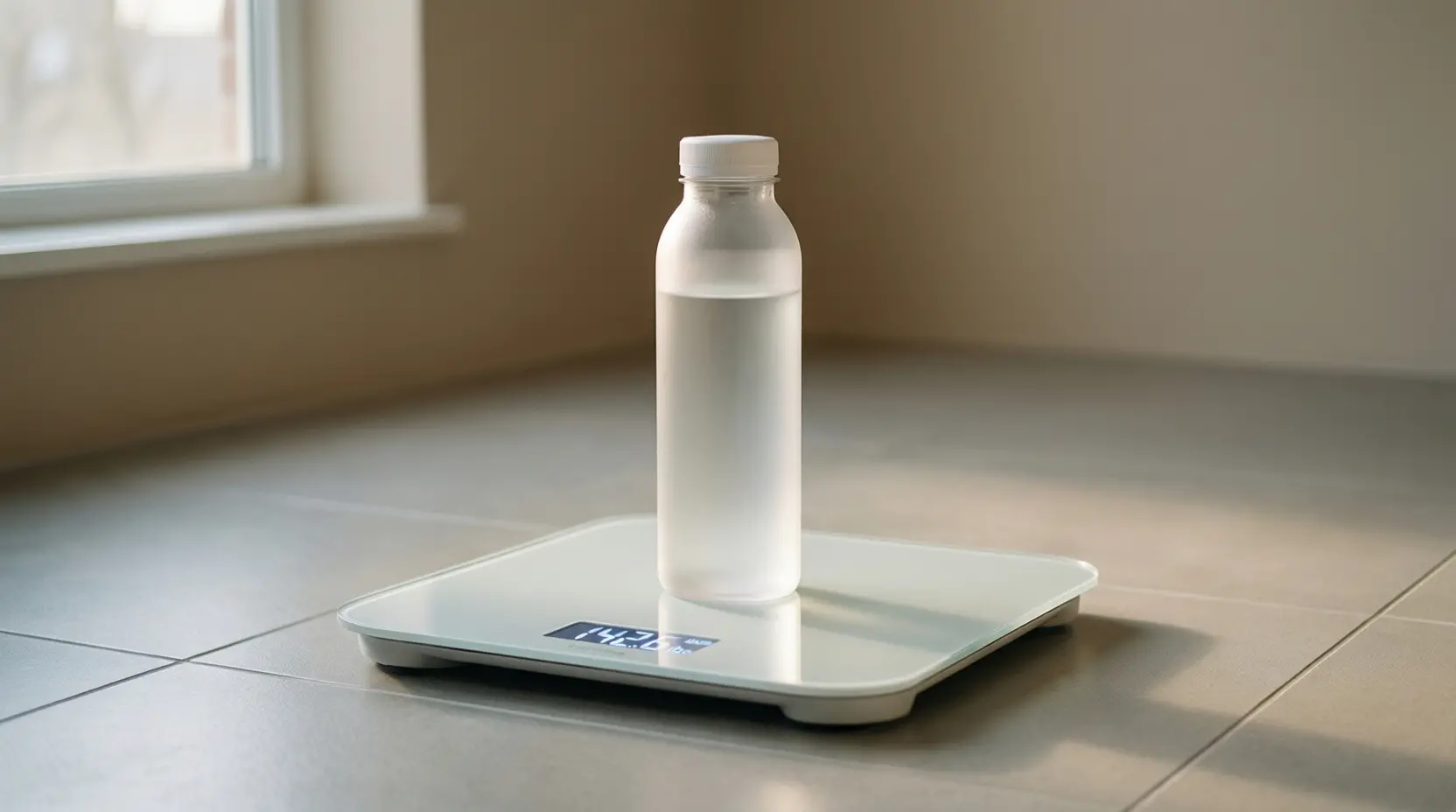
Many people turn to fasting when they want fast results, and one of the most common questions is: how much weight will I lose on a 3-day water fast? A 3-day water fast involves consuming only water for 72 hours, with no calories, no food, and no supplements. Because the scale often drops quickly, this method has gained popularity among those looking for rapid weight loss or a “reset.”
However, the number you see on the scale does not always reflect true fat loss. Much of the early weight reduction comes from water loss, depleted glycogen stores, and changes in digestion rather than long-term fat burning. Results can vary widely depending on your starting weight, metabolism, hydration levels, and activity.
In this article, we’ll break down exactly what happens to your body during a 3-day water fast, how much weight you can realistically expect to lose, and whether that weight loss is temporary or sustainable.
What Happens to Your Body During a 3-Day Water Fast
When you begin a 3-day water fast, your body goes through several rapid physiological changes designed to keep you alive without incoming calories. Understanding these changes helps explain why weight loss happens so quickly at first.
Day one focuses mainly on glycogen depletion. Glycogen is stored carbohydrate found in your muscles and liver, and each gram of glycogen holds roughly three to four grams of water. As your body uses up these energy reserves, you lose a significant amount of water weight, which is why the scale often drops sharply within the first 24 hours. Insulin levels also fall, allowing your body to start releasing stored fat.
By day two, your body begins shifting into ketosis. With glucose no longer available, fat becomes the primary fuel source. This leads to increased fat breakdown, but it also causes the kidneys to excrete more sodium and water, accelerating fluid loss. Hunger may decrease for some people, while fatigue or headaches become more noticeable.
On day three, fat burning continues, but muscle breakdown can increase due to the absence of dietary protein. The body may slow metabolism slightly to conserve energy. At this stage, weight loss continues, but the rate slows compared to the first two days, and more of the loss may come from lean tissue rather than pure fat.
How Much Weight Will You Lose on a 3-Day Water Fast?
The amount of weight you lose on a 3-day water fast can vary significantly, but most people see a noticeable drop on the scale. On average, individuals lose between 3 and 8 pounds over the 72-hour period. While this sounds impressive, it’s important to understand what that weight actually consists of.
A large portion of the early loss comes from water weight. As glycogen stores are depleted, the body releases the water bound to those carbohydrates. Reduced sodium intake also causes the kidneys to flush excess fluids, further lowering scale weight. This is why heavier individuals or those eating high-carb diets beforehand often see larger initial drops.
Actual fat loss during a 3-day fast is much more limited. The human body can only burn a certain amount of fat per day, usually equivalent to about 0.1 to 0.3 pounds of fat daily, depending on body size and metabolic rate. Over three days, this translates to roughly 0.3 to 1 pound of true fat loss for most people.
Some muscle loss may also occur, especially by the third day, due to the absence of protein and resistance training. This means not all weight lost is beneficial.
Your starting weight, activity level, hydration, and previous diet all influence results. While the scale may show a dramatic change, much of the weight lost during a 3-day water fast is temporary and often returns once normal eating resumes.
Is the Weight Loss Mostly Fat or Water?
One of the biggest misconceptions about a 3-day water fast is that rapid weight loss equals rapid fat loss. In reality, most of the weight lost during a short water fast comes from water and glycogen, not body fat.
When you normally eat carbohydrates, your body stores them as glycogen in the liver and muscles. Each gram of glycogen binds several grams of water. During a water fast, these glycogen stores are quickly depleted, and the attached water is released and excreted. This process alone can account for several pounds of weight loss within just a couple of days.
Fat loss does occur, but at a much slower and more predictable rate. Even under complete fasting conditions, the body’s capacity to burn fat is limited by metabolic processes. For most people, this means losing only a small fraction of a pound of fat per day. Compared to the dramatic water loss, true fat reduction makes up a relatively small percentage of the total weight lost.
Another factor is digestive content. With no food coming in, the digestive tract empties, further reducing scale weight without affecting body fat levels. While this can make the stomach appear flatter, it does not represent lasting fat loss.
Because so much of the weight lost is water, it often returns quickly once eating resumes. As carbohydrates and sodium are reintroduced, glycogen stores refill, and water weight comes back. This is why many people feel discouraged after a water fast when the scale rebounds, even though their actual fat loss was minimal but real.
Will the Weight Come Back After a 3-Day Water Fast?
For most people, a significant portion of the weight lost during a 3-day water fast returns shortly after normal eating resumes. This rebound effect is not a failure of the fast—it’s a natural physiological response.
When you begin eating again, especially carbohydrates, your body replenishes depleted glycogen stores in the liver and muscles. As glycogen refills, it pulls water back into the tissues. This alone can restore several pounds within just a few days. Sodium intake also increases water retention, further raising scale weight without adding fat.
In addition to water regain, digestion resumes, meaning food moving through the gastrointestinal tract adds back temporary weight. This can make it feel like all progress has been lost, even though actual fat gain has not occurred.
True fat regain depends on post-fast behavior. If the fast is followed by overeating or satiate-style meals, calorie intake may exceed daily needs, leading to fat storage. On the other hand, transitioning into a controlled, balanced diet can help preserve the small amount of fat lost during the fast.
Another factor is metabolic adaptation. Extended calorie deprivation can slightly lower resting energy expenditure, making weight maintenance more challenging if normal eating resumes abruptly. This is one reason repeated extreme fasting cycles often fail to produce lasting results.
While a 3-day water fast may temporarily reduce scale weight, it does not guarantee long-term fat loss. Sustainable results depend far more on what happens after the fast than on the fast itself.
Claimed Benefits of a 3-Day Water Fast: Myth vs Reality
Supporters of 3-day water fasting often report several short-term benefits, which help explain why this approach remains popular. One commonly claimed benefit is an appetite reset. After a period without food, some people notice reduced hunger for a short time, largely due to lower insulin levels and increased ketone production. However, this effect is usually temporary and fades once regular eating resumes.
Another frequently mentioned benefit is reduced bloating. Because digestion slows and water retention drops, the abdomen may appear flatter. This can feel encouraging, but it mainly reflects less food volume and water, not fat loss.
Some individuals experience mental clarity during fasting, particularly on days two and three. This is linked to ketosis, where ketones become the brain’s primary fuel source. While this effect is real for some, others experience brain fog, irritability, or difficulty concentrating instead.
Water fasting is also often promoted as a way to “detox” the body. In reality, the liver and kidneys already detoxify the body continuously. There is no strong scientific evidence that a 3-day water fast enhances toxin removal beyond normal bodily functions.
Short-term improvements in insulin sensitivity may occur, but these benefits are not permanent without long-term dietary changes. Once normal eating patterns return, insulin response often returns to baseline.
While a 3-day water fast may produce temporary physical and mental effects, these benefits should not be confused with lasting fat loss or long-term metabolic improvement.
Risks and Side Effects of a 3-Day Water Fast
Although a 3-day water fast may seem simple, it places significant stress on the body and is not risk-free. One of the most common side effects is fatigue. With no incoming calories, energy levels often drop, making daily activities feel more difficult. Headaches are also frequent, especially during the first two days, often due to caffeine withdrawal, dehydration, or electrolyte loss.
Dizziness and lightheadedness can occur as blood pressure drops and sodium levels decline. Standing up too quickly may cause weakness or fainting in some individuals. This risk increases if fluid intake is inadequate or if physical activity is too intense.
Another concern is electrolyte imbalance. Without food, the body loses essential minerals such as sodium, potassium, and magnesium through urine. Low electrolyte levels can lead to muscle cramps, heart rhythm disturbances, and severe weakness in extreme cases.
A 3-day water fast can also contribute to muscle loss. In the absence of protein, the body breaks down muscle tissue to provide amino acids for essential functions. This loss of lean mass may negatively affect metabolism and physical strength.
Finally, fasting can have psychological effects, including irritability, mood swings, and increased obsession with food. For some individuals, extreme fasting may trigger unhealthy eating patterns or satiate behavior afterward.
Because of these risks, a 3-day water fast is not appropriate for everyone and should be approached with caution.
Who Should Not Do a 3-Day Water Fast
While some healthy adults may tolerate a short water fast, there are many groups for whom a 3-day water fast can be dangerous. Individuals with diabetes, especially those using insulin or blood sugar–lowering medications, face a high risk of hypoglycemia and should not attempt prolonged fasting without medical supervision.
People with a history of eating disorders should avoid water fasting entirely. Extreme food restriction can trigger relapse, worsen disordered eating behaviors, and cause long-term psychological harm.
A 3-day water fast is also unsafe for pregnant or breastfeeding women, as both pregnancy and lactation require consistent nutrient intake to support fetal development and milk production. Similarly, underweight individuals or those with nutrient deficiencies may experience rapid muscle loss and worsening health outcomes.
Those taking medications for blood pressure, heart conditions, or thyroid disorders should be cautious, as fasting can alter how these medications affect the body. Changes in hydration and electrolyte balance can increase the risk of adverse side effects.
Additionally, individuals with chronic kidney disease, gout, or gastrointestinal disorders may experience symptom flare-ups during extended fasting. The increased breakdown of body tissue can elevate uric acid levels, worsening gout symptoms.
Because fasting affects each person differently, medical guidance is strongly recommended before attempting a 3-day water fast. For many people, safer and more sustainable approaches to weight loss are available
How to Do a 3-Day Water Fast More Safely (If You Choose to Try It)
If someone decides to attempt a 3-day water fast, safety should be the top priority. While fasting always carries risks, certain precautions can help reduce potential harm. Hydration is essential. Drinking water consistently throughout the day helps prevent dehydration and reduces headaches and dizziness. Many people aim for at least two to three liters daily, adjusting based on body size and activity level.
Electrolyte balance is another critical factor. Because fasting increases sodium and mineral loss, adding non-caloric electrolytes or a small amount of salt in water may help prevent weakness and lightheadedness. However, sweetened or calorie-containing drinks should be avoided if maintaining a true water fast.
Physical activity should be kept light. Gentle walking or stretching is generally safer than intense workouts, which can increase fatigue and the risk of fainting. Rest is important, especially during days two and three when energy levels are lowest.
It’s also important to listen to warning signs. Severe dizziness, confusion, heart palpitations, or fainting are signals to stop the fast immediately and seek medical help. Fasting should never be pushed through serious discomfort.
Preparing mentally and physically beforehand can also help. Gradually reducing carbohydrates, caffeine, and large meals in the days leading up to the fast may lessen withdrawal symptoms. Most importantly, anyone considering a 3-day water fast should consult a healthcare professional, particularly if they have underlying health conditions.
How to Break a 3-Day Water Fast Correctly
How you end a 3-day water fast is just as important as the fast itself. After several days without food, the digestive system becomes more sensitive, and jumping straight into large or heavy meals can cause discomfort, bloating, or nausea.
The first meal should be small and easy to digest. Foods such as bone broth, vegetable soup, lightly cooked vegetables, yogurt, or a small portion of fruit can help wake up digestion gently. These options provide fluids and nutrients without overwhelming the stomach.
Avoid highly processed foods, excessive sugar, and large amounts of refined carbohydrates immediately after the fast. These foods can cause rapid blood sugar spikes, digestive distress, and significant water retention, leading to sudden weight regain on the scale.
Chewing food slowly and stopping at the first sign of fullness can help prevent overeating. Many people feel extremely hungry after fasting, but this hunger often fades once the body realizes food is available again.
It’s also helpful to reintroduce protein gradually. Lean protein sources such as eggs, fish, or tofu can support muscle repair without placing too much strain on digestion. Drinking water normally and adding electrolytes can further support recovery.
A balanced approach in the days following the fast is key. Transitioning into a nutrient-dense, calorie-controlled diet helps preserve any small amount of fat loss achieved while minimizing rebound weight gain. Without proper refeeding, the perceived benefits of a 3-day water fast can quickly disappear.
Better Alternatives for Sustainable Weight Loss
While a 3-day water fast may produce quick scale changes, it is rarely the most effective approach for long-term fat loss. More sustainable methods can deliver better results with fewer risks and less rebound weight gain.
One effective alternative is intermittent fasting, such as the 16:8 or 18:6 method. These approaches limit eating to a daily time window while still allowing regular meals. They can improve insulin sensitivity, support fat loss, and are easier to maintain over time.
Another option is a 24-hour fast, done once or twice per week. This method provides some of the metabolic benefits of fasting without the prolonged stress of a multi-day fast. Many people find it easier to recover from and less likely to trigger extreme hunger or muscle loss.
A high-protein, calorie-controlled diet is also highly effective. Protein helps preserve lean muscle, supports metabolism, and increases satiety, making it easier to maintain a calorie deficit. Pairing this approach with strength training further enhances fat loss.
Short-term low-carb or ketogenic diets can reduce water weight and appetite while still allowing food intake. These plans often deliver similar early scale drops without complete food deprivation.
Ultimately, sustainable weight loss comes from consistency. Adequate sleep, stress management, regular movement, and balanced nutrition matter far more than extreme short-term strategies. For most people, gradual fat loss is healthier, more reliable, and easier to maintain than the results of a 3-day water fast.
3-Day Water Fast vs Other Fasting Methods
Not all fasting methods affect the body in the same way, and understanding the differences can help set realistic expectations. A 3-day water fast is one of the most extreme approaches, involving complete calorie restriction for 72 hours. While it leads to rapid water weight loss, it also carries a higher risk of muscle loss, fatigue, and rebound weight gain.
A juice fast allows calories from fruit and vegetable juices. Although it may feel easier, it often delivers high sugar with minimal protein, which can spike blood sugar and limit fat loss. Weight loss from juice fasting is also largely water-based.
Intermittent fasting, such as 16:8 or 18:6, is far more sustainable. Because food is still consumed daily, the body is less likely to enter a stress response. Fat loss occurs gradually, muscle mass is easier to preserve, and adherence is much higher.
A 24-hour fast (also called alternate-day fasting or OMAD occasionally) offers a middle ground. It provides some metabolic benefits of fasting while reducing the physical and psychological strain of multi-day fasts. Many people see steady fat loss without extreme side effects.
Dry fasting, which involves no food or water, is particularly dangerous and strongly discouraged. Dehydration can occur rapidly, increasing the risk of kidney injury and electrolyte imbalance.
Compared to these methods, a 3-day water fast may look appealing for quick results, but it is rarely superior for long-term weight management. Less extreme fasting strategies generally deliver better fat loss outcomes with fewer health risks.
Frequently Asked Questions About a 3-Day Water Fast
How much fat can I lose in a 3-day water fast?
Most people lose only a small amount of actual fat during a 3-day water fast, usually around 0.3 to 1 pound. The majority of weight lost comes from water and glycogen depletion.
Is a 3-day water fast safe?
For some healthy adults, it may be tolerated, but it is not risk-free. Side effects such as dizziness, electrolyte imbalance, and muscle loss are common. Medical guidance is recommended before attempting it.
Can I exercise during a 3-day water fast?
Intense exercise is not recommended. Light walking or stretching is generally safer, as heavy workouts increase the risk of fatigue and fainting.
Will a 3-day water fast burn belly fat?
Fat loss during fasting is systemic, meaning the body does not target specific areas like belly fat. Spot reduction is not possible.
How often can I do a 3-day water fast?
Repeated multi-day fasts can strain the body and increase muscle loss. Most experts advise against doing them frequently, especially without supervision.
Why do I feel weak during a water fast?
Weakness is usually caused by low calorie intake, reduced blood sugar, and electrolyte loss. These effects intensify as the fast continues.
This FAQ section helps clarify expectations and addresses the most common concerns people have before trying a 3-day water fast.
Final Verdict: Is a 3-Day Water Fast Worth It?
A 3-day water fast can lead to a noticeable drop on the scale, but most of that weight loss is temporary. The majority comes from water loss, depleted glycogen stores, and an empty digestive tract rather than meaningful fat reduction. While some fat loss does occur, it is limited by the body’s natural metabolic rate and is often accompanied by muscle loss.
For healthy individuals, a single short water fast may not cause serious harm, but it is not a reliable or sustainable strategy for long-term weight loss. The risks—including fatigue, electrolyte imbalance, muscle breakdown, and rebound weight gain—often outweigh the short-term benefits. Many people feel discouraged when the scale rises again after eating normally, even though this rebound is a normal physiological response.
Lasting fat loss depends far more on consistent habits than extreme interventions. Approaches such as intermittent fasting, a high-protein calorie deficit, regular physical activity, quality sleep, and stress management are more effective and safer over time. These methods help preserve muscle, support metabolism, and reduce the likelihood of rapid weight regain.
If your goal is quick scale change, a 3-day water fast may deliver that temporarily. If your goal is real, lasting fat loss and better health, less extreme strategies are far more effective. Before attempting any extended fast, especially one lasting multiple days, consulting a healthcare professional is strongly recommended.

I am Clara Joyce, founder of Pure Blessia, shares uplifting words to inspire joy and gratitude every day.
I am Clara Joyce, founder of Pure Blessia, shares uplifting words to inspire joy and gratitude every day.