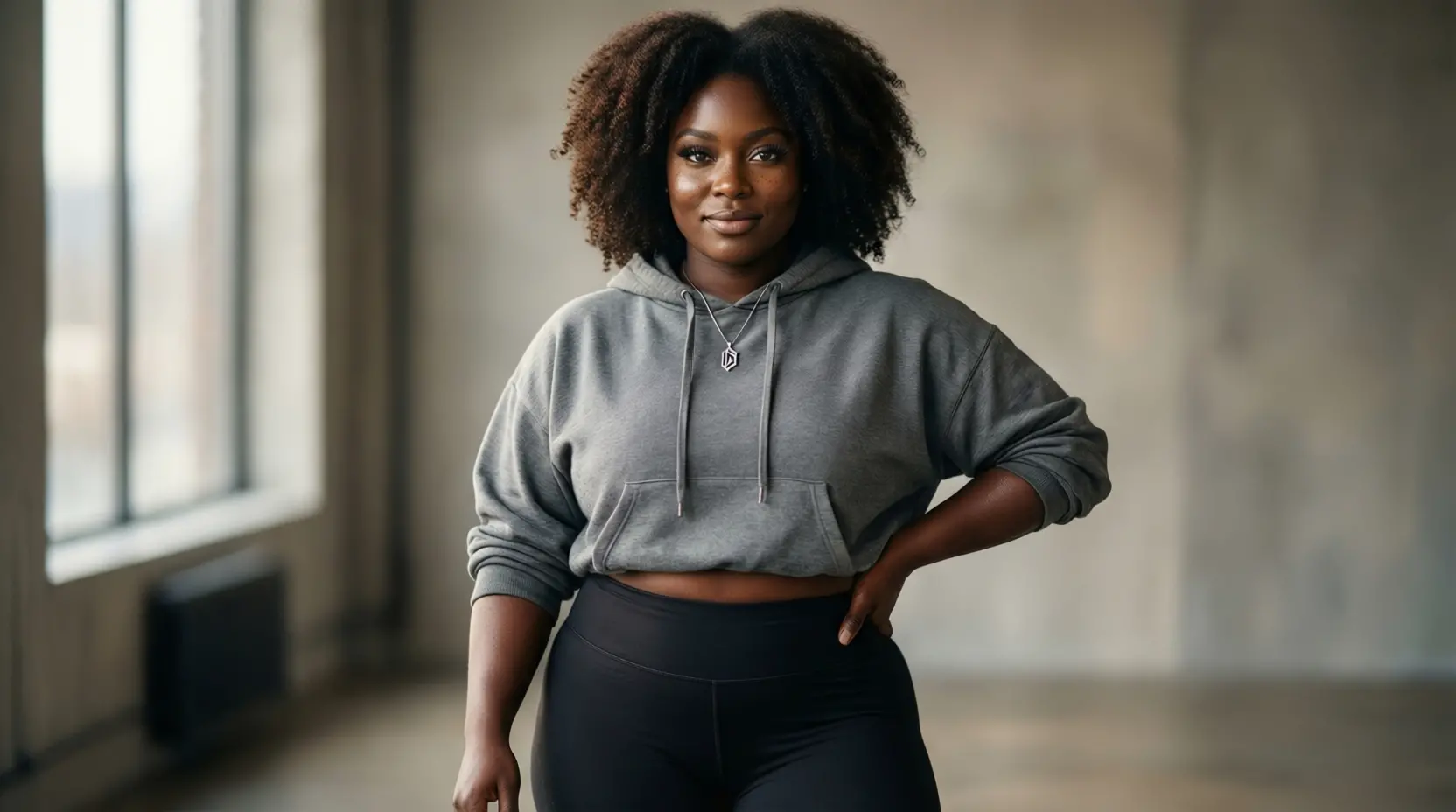
Lizzo has long been a powerful voice in music, pop culture, and the body-positivity movement, making her one of the most talked-about artists of her generation. Recently, increased public attention has focused on visible changes in her appearance, leading to widespread online searches and media headlines about “Lizzo weight loss.” As with many high-profile celebrities, speculation has often moved faster than facts, blurring the line between personal wellness choices and public expectation.
This conversation, however, deserves nuance. Lizzo has consistently emphasized self-love, autonomy, and health on her own terms, challenging the idea that weight alone defines well-being. Rather than framing her body through rumor or assumption, it is important to look at what she has actually said about her health, lifestyle, and mindset. This article takes a fact-based, respectful approach to Lizzo’s weight loss discussion, examining verified statements, media narratives, and the broader cultural implications behind society’s fixation on women’s bodies.
Who Is Lizzo?
Lizzo, born Melissa Viviane Jefferson, is a Grammy Award–winning singer, rapper, flutist, and songwriter who rose to global prominence with hits like Truth Hurts, Good as Hell, and About Damn Time. Beyond her musical success, Lizzo has become a cultural figure known for challenging traditional beauty standards and advocating for self-acceptance, confidence, and inclusivity. Her presence in mainstream media has helped reshape conversations around body image, particularly for women who have historically been marginalized or excluded from dominant narratives of beauty.
From the beginning of her career, Lizzo has been outspoken about embracing her body unapologetically. She has frequently addressed issues such as fatphobia, societal pressure, and the unrealistic expectations placed on womenespecially women in the public eye. This advocacy positioned her as a symbol of the modern body-positivity movement, making her personal appearance a topic of disproportionate scrutiny.
Because Lizzo’s brand has been closely associated with self-love and empowerment, any perceived change in her body naturally attracts heightened attention. For many observers, her weight has been treated not simply as a personal matter, but as a statementfairly or unfairlyabout body positivity itself. This dynamic helps explain why discussions around Lizzo’s weight loss often spark intense debate, praise, criticism, and confusion all at once.
Understanding who Lizzo is and what she represents culturally is essential before examining conversations about her health or body. Without this context, discussions risk oversimplifying her message and reinforcing the very stereotypes she has spent her career working to dismantle.
Has Lizzo Lost Weight?
Public interest in Lizzo’s body has intensified following recent appearances, performances, and social media posts where some fans and media outlets have noted visible changes in her physique. These observations have fueled widespread searches and headlines questioning whether Lizzo has experienced weight loss. However, it is important to separate visual perception from confirmed information.
Lizzo herself has not released specific numbers or detailed measurements regarding her weight, and she has consistently avoided framing her body in terms of pounds lost or gained. Like many people, her appearance can fluctuate due to a range of factors, including tour schedules, physical training, stress levels, and natural body changes over time. Without direct confirmation, any exact claims about how much weight Lizzo may have lost remain speculative.
What Lizzo has made clear is that her focus has been on health, strength, and feeling good in her body rather than meeting external expectations. In past statements, she has emphasized that wellness looks different for everyone and that physical changes do not automatically signal dissatisfaction or self-rejection. This perspective challenges the assumption that weight loss must be driven by societal pressure or a desire to conform.
The intense scrutiny surrounding Lizzo’s body highlights a broader issue: celebrities, particularly women, are often expected to publicly justify their physical appearance. In Lizzo’s case, her long-standing advocacy for body positivity has led some observers to misinterpret any bodily change as a contradiction. In reality, bodies are dynamic, and personal health journeys do not require public validation.
What Lizzo Has Actually Said About Her Body & Health
Lizzo has repeatedly addressed conversations about her body by emphasizing that her relationship with health is personal, intentional, and not dictated by public opinion. In interviews and social media posts, she has made a clear distinction between pursuing wellness and conforming to societal beauty standards. Rather than centering weight, Lizzo often speaks about balance, mental health, and feeling strong in her own body.
She has openly stated that self-love does not require remaining the same forever. According to Lizzo, honoring your body can include making changes when they feel right for you, whether those changes involve fitness, nutrition, rest, or emotional boundaries. This perspective directly challenges the idea that body positivity means rejecting all physical transformation. Instead, she frames it as accepting yourself at every stage.
Lizzo has also pushed back against assumptions that any weight loss signals self-criticism or external pressure. She has clarified that caring about health does not invalidate confidence or self-acceptance. In doing so, she highlights how often womenespecially plus-size womenare forced into false binaries: either they must love their bodies exactly as they are or be accused of betraying their values.
Another recurring theme in Lizzo’s messaging is autonomy. She has consistently asserted that no one owes the public an explanation for their body. By setting this boundary, she reframes the conversation away from speculation and toward respect. Her statements reinforce the idea that health decisions are nuanced and deeply individual, even when made by someone in the spotlight.
Lizzo’s Approach to Health and Wellness
Lizzo’s approach to health and wellness has consistently focused on sustainability rather than extremes. She has shared parts of her routine publicly, emphasizing that her goal is not to shrink her body but to support her overall well-being. Movement, for Lizzo, is often framed as a source of joy and empowerment rather than punishment. Her workouts have included a mix of strength training, cardio, and dance-based exerciseactivities that align naturally with her performance-heavy career.
Nutrition has also been discussed in a balanced way. Lizzo has previously spoken about following a plant-based or vegan lifestyle at different points, while also acknowledging that her needs have evolved over time. Rather than promoting rigid diet rules, she highlights listening to her body and making choices that feel nourishing and realistic. This flexible mindset stands in contrast to diet culture, which often prioritizes rapid weight loss over long-term health.
Equally important is Lizzo’s emphasis on mental and emotional wellness. She has been open about the challenges of managing stress, public criticism, and the pressures of fame. Rest, self-reflection, and emotional boundaries are often mentioned as key components of her wellness journey. By addressing mental health alongside physical habits, Lizzo reinforces the idea that true wellness is multidimensional.
Taken together, Lizzo’s approach reflects a holistic view of healthone that prioritizes strength, energy, and emotional resilience. This perspective helps explain why she resists reducing her wellness journey to a simple before-and-after narrative focused solely on weight.
Body Positivity vs. Weight Loss: A False Contradiction
One of the most persistent debates surrounding Lizzo’s weight loss discussion is the belief that body positivity and physical change cannot coexist. This assumption suggests that embracing self-love requires maintaining the same body indefinitely, a standard that Lizzo herself has repeatedly challenged. In reality, body positivity is rooted in acceptance and autonomy, not stagnation.
Lizzo has consistently communicated that loving your body means respecting its needs at every stage. For some, that may involve rest and healing; for others, it may include movement, dietary changes, or shifting lifestyle habits. Weight loss, when it occurs, does not automatically signal rejection of one’s body or submission to societal pressure. Instead, it can be a byproduct of prioritizing health, strength, or personal comfort.
The idea that Lizzo must remain unchanged to be “authentic” reveals a deeper issue within public discourse. Plus-size individuals are often expected to perform confidence in a way that reassures others, while being denied the same freedom to evolve that thinner bodies are afforded. When Lizzo’s appearance changes, critics may interpret it as a betrayal, rather than recognizing it as a personal choice.
This false contradiction also oversimplifies body positivity into a rigid ideology rather than a lived experience. Bodies are dynamic, and wellness journeys are rarely linear. Lizzo’s stance highlights a more nuanced truth: self-love is not about proving anything to an audience. It is about having the freedom to make decisions without being reduced to a symbol or headline.
Media Narratives and Public Reaction
Media coverage of Lizzo’s body has often reflected broader societal biases about weight, health, and worth. As conversations about her appearance gained momentum, headlines and social media commentary frequently framed the discussion in extremeseither celebrating perceived weight loss as an achievement or criticizing it as a contradiction of her body-positive message. This polarized response reveals how deeply ingrained appearance-based judgments remain.
Tabloid-style reporting and viral social media posts tend to prioritize clicks over context. These narratives rarely center Lizzo’s own words, instead projecting assumptions about her motivations and emotional state. As a result, the public conversation often becomes more about audience expectations than about Lizzo herself.
Some fans express support, viewing any health-focused changes as empowering. Others feel conflicted, interpreting her evolving appearance through a narrow lens of representation and symbolism. This reaction underscores the burden placed on public figuresparticularly women and plus-size celebritiesto embody ideals that extend far beyond their personal lives.
Social media amplifies these dynamics by creating constant visibility and instant commentary. While platforms can foster connection and encouragement, they also enable body policing at scale. In Lizzo’s case, this scrutiny highlights how difficult it is for women to exist in the public eye without their bodies becoming a topic of debate.
Ultimately, these media narratives say less about Lizzo’s health and more about society’s discomfort with bodily autonomy.
Misinformation, Rumors, and Clickbait
As interest in Lizzo’s appearance has grown, so has the spread of misinformation. Online searches for “Lizzo weight loss” often lead to sensational headlines that promise exclusive details but deliver speculation instead. Claims about rapid transformations, extreme diets, or specific weight-loss numbers frequently circulate without credible sources or confirmation from Lizzo herself.
Clickbait thrives on certainty where none exists. These visuals can create the illusion of dramatic change while ignoring natural body fluctuations and the realities of photo editing, styling, and performance conditioning.
Another common source of misinformation is the assumption that any visible change must be the result of intentional weight loss. This ignores factors such as tour rehearsals, increased physical activity, stress, recovery periods, or changes in routine. Without context, speculation fills the gap, reinforcing harmful ideas about how bodies “should” look at different stages.
For readers, distinguishing reliable information from rumor is essential. Credible reporting centers Lizzo’s own statements, avoids precise numerical claims, and acknowledges uncertainty.
By recognizing how misinformation spreads, audiences can engage more critically with celebrity wellness narratives. In Lizzo’s case, resisting clickbait helps shift the focus away from rumor and toward respect for personal autonomy and factual discussion.
Cultural Impact: Why Lizzo’s Weight Is a Bigger Conversation
The intense focus on Lizzo’s weight reflects more than celebrity curiosity; it reveals deep cultural tensions around body size, health, and worth. As a prominent plus-size woman who has built her career while rejecting traditional beauty standards, Lizzo occupies a space that challenges long-standing norms.
Society often treats women’s bodies as public property, open to commentary and judgment. For women who exist outside conventional ideals, that scrutiny becomes even more amplified.
This conversation also exposes persistent fatphobia. Both responses deny her the right to exist without explanation.
Additionally, Lizzo’s experience highlights the pressure placed on public figures to serve as role models for entire movements. While her advocacy has inspired many, it is unrealistic and unfair to expect one person to represent every interpretation of body positivity.
Ultimately, the fixation on Lizzo’s weight underscores the need for a more evolved cultural conversationone that allows bodies to change without assigning moral value. Her story invites reflection on how society defines health, success, and self-worth beyond appearance alone.
What Experts Say About Weight, Health, and Public Perception
Health experts widely agree that weight alone is not a reliable indicator of overall health. Factors such as cardiovascular fitness, mental well-being, nutrition quality, sleep, and stress levels all play significant roles in determining a person’s health status. Despite this, public discourseespecially around celebritiesoften reduces wellness to visible body size, reinforcing oversimplified and misleading conclusions.
Researchers and medical professionals have also emphasized that bodies naturally change over time due to age, activity level, lifestyle shifts, and environmental factors. Weight fluctuations can occur even when health habits remain consistent. This reality challenges the assumption that any physical change must be intentional or reflective of success or failure.
From a psychological perspective, constant public commentary on appearance can contribute to stress, anxiety, and disordered thinkingboth for public figures and for audiences who internalize these messages. Experts caution that comparing personal health journeys to celebrities can be harmful, as public figures have access to resources, schedules, and pressures that differ greatly from those of the average person.
When media coverage frames weight loss as inherently positive, it can reinforce stigma against larger bodies. Conversely, criticizing individuals for changing their bodies can undermine autonomy and self-determination. Experts advocate for a more nuanced approachone that prioritizes behaviors and well-being over appearance.
In the context of Lizzo, expert perspectives support a key takeaway: health is individual, complex, and not fully visible from the outside. Respecting that complexity helps create a healthier, more inclusive conversation for everyone.
What Fans and Readers Can Learn From Lizzo
One of the most important lessons from the conversation around Lizzo’s weight is the value of defining health on your own terms. Lizzo’s messaging consistently reinforces the idea that well-being is not a one-size-fits-all formula. Rather than chasing external validation or comparison, she encourages individuals to focus on what makes them feel strong, energized, and emotionally balanced.
Another key takeaway is the importance of respecting bodily autonomyboth your own and others’. Lizzo’s experience highlights how quickly personal health decisions can become public debate. For readers, this serves as a reminder that no one owes an explanation for their body, appearance, or lifestyle choices. Practicing this respect helps create a more compassionate and supportive culture.
Lizzo also demonstrates how self-love and growth can coexist. Personal evolution does not negate confidence or acceptance; instead, it reflects responsiveness to changing needs. This perspective can be especially meaningful for those who feel pressured to remain static in order to appear consistent or authentic.
Additionally, Lizzo’s story encourages more mindful consumption of media. Questioning sensational headlines, seeking primary sources, and recognizing clickbait tactics can help readers avoid internalizing harmful narratives. Shifting attention away from appearance-driven content allows space for more meaningful discussions about talent, creativity, and impact.
Ultimately, Lizzo’s approach offers a powerful reminder: bodies will change, but self-worth should remain constant. By centering health, autonomy, and respect, readers can apply these lessons to their own lives in ways that are empowering rather than restrictive.
FAQs
Did Lizzo confirm that she lost weight?
Lizzo has not publicly confirmed specific details or numbers regarding weight loss. She has consistently avoided focusing on pounds or measurements, instead emphasizing health, balance, and personal well-being. Any exact figures circulating online are unverified and should be treated with caution.
Why did Lizzo lose weight?
Lizzo has framed her wellness journey around feeling good, staying active, and supporting both physical and mental health. She has made it clear that her choices are personal and not driven by pressure to conform to beauty standards. It’s important to note that visible body changes can happen for many reasons and are not always intentional.
Is Lizzo still body positive?
Yes. Lizzo has repeatedly stated that body positivity is about self-acceptance and autonomy, not about staying the same forever. Her message continues to center on respecting your body at every stage and rejecting shame-based narratives around weight.
Did Lizzo follow a specific diet or workout plan?
Lizzo has shared aspects of her fitness routine and lifestyle over time, including movement-focused workouts and balanced nutrition. However, she has not promoted a specific weight-loss program or extreme diet. Her approach emphasizes sustainability rather than rigid rules.
Why does the media focus so much on Lizzo’s weight?
As a highly visible plus-size celebrity and body-positivity advocate, Lizzo’s appearance is often treated as symbolic. This reflects broader societal issues, including fatphobia, gender bias, and the tendency to equate body size with personal value.
Conclusion
The conversation surrounding Lizzo’s weight loss reveals far more about society’s attitudes toward bodies than it does about Lizzo herself.
As a public figure who has consistently advocated for self-love, autonomy, and inclusivity, Lizzo continues to challenge the idea that a person’s worth is tied to their appearance. Any changes in her bodyreal or perceiveddo not negate the core message she has shared throughout her career.
By centering facts over speculation and listening to Lizzo’s own words, it becomes clear that her focus has remained on health, balance, and personal well-being rather than external approval.
Her perspective underscores an important truth: body positivity is not about staying static, but about honoring your body’s needs as they evolve. Growth, change, and self-acceptance are not opposing forces.
The media response to Lizzo’s appearance highlights ongoing cultural struggles with fatphobia, gender expectations, and the pressure placed on women to serve as symbols rather than individuals.
These dynamics make it especially important for audiences to engage critically with headlines and resist reducing complex human experiences to simplified narratives.
Ultimately, Lizzo’s story invites a more compassionate and nuanced approach to conversations about health and body image.
By respecting autonomy, rejecting misinformation, and shifting focus away from appearance-based judgments, readers can contribute to a healthier dialogueone that values people for who they are, not how they look.

I am Clara Joyce, founder of Pure Blessia, shares uplifting words to inspire joy and gratitude every day.
I am Clara Joyce, founder of Pure Blessia, shares uplifting words to inspire joy and gratitude every day.