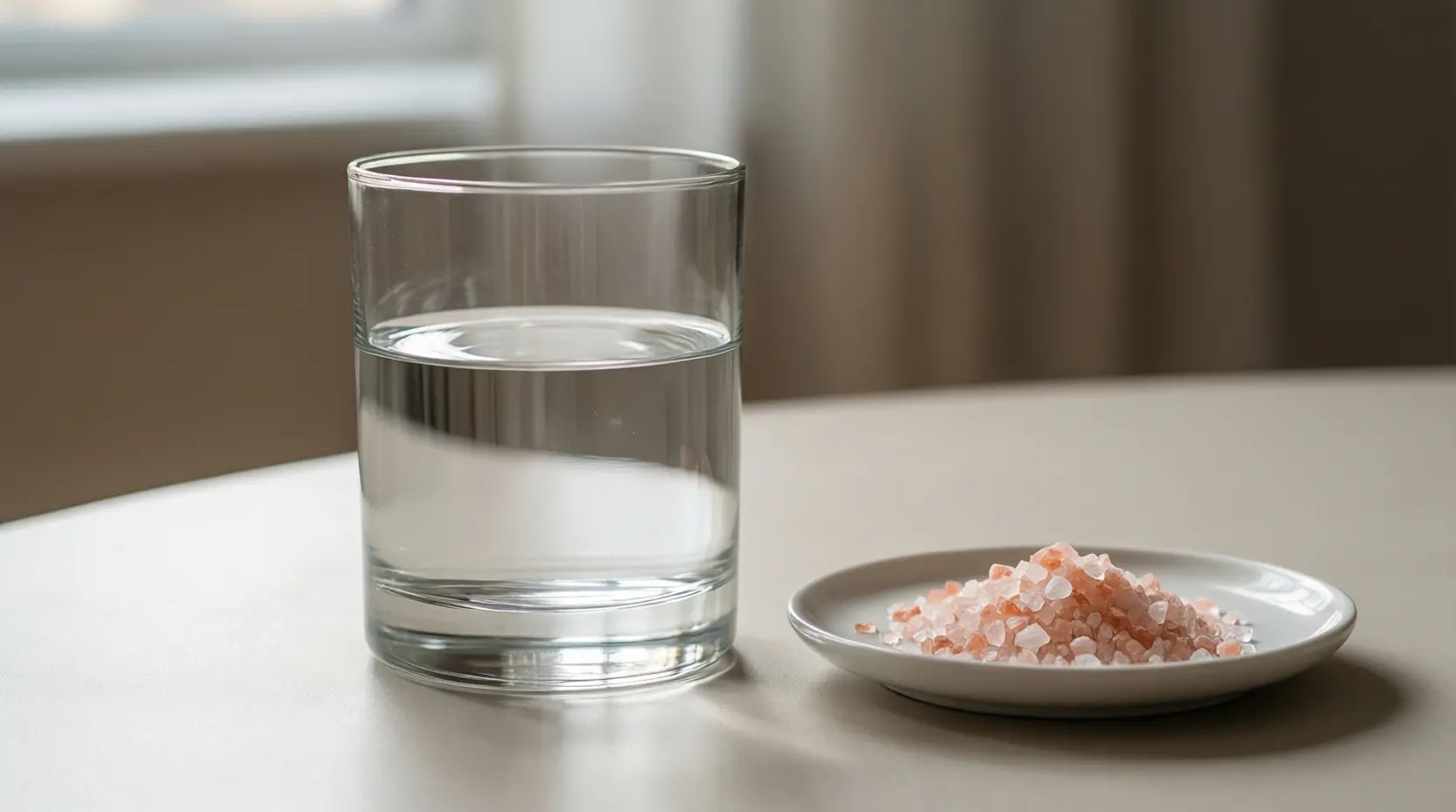
Pink salt has gained massive attention in the health and wellness world, especially as a natural aid for weight loss. From social media trends to wellness blogs, many people claim that drinking pink salt water or replacing regular salt with Himalayan pink salt can boost metabolism, reduce belly fat, and detox the body. But how much of this is actually true, and how much is hype?
Weight loss is a complex process that depends on diet, lifestyle, hydration, and overall healthnot a single ingredient. While pink Himalayan salt does contain trace minerals and differs slightly from regular table salt, it is not a magic solution for fat loss. However, when used correctly and in moderation, it may play a small supportive role in hydration and dietary habits.
In this comprehensive guide, we’ll explore the science behind pink salt, examine popular weight loss claims, separate myths from facts, and explain how to use it safelyso you can make informed, realistic decisions about your health.
What Is Pink Himalayan Salt?
Pink Himalayan salt is a natural rock salt primarily mined from the Khewra Salt Mine in Pakistan, one of the oldest and largest salt mines in the world. It is often marketed as a healthier alternative to regular table salt due to its distinctive pink color and its content of trace minerals. Unlike heavily processed table salt, pink salt is typically minimally refined, which helps preserve its natural structure.
The pink color comes from small amounts of minerals such as iron, calcium, potassium, and magnesium. While these minerals are present only in trace amounts, they contribute to pink salt’s unique appearance and slightly different taste. However, it is important to understand that nutritionally, pink Himalayan salt is still composed of about 97–98% sodium chloride, similar to regular salt.
One key difference between pink salt and table salt is processing. Table salt is often refined and includes additives such as anti-caking agents and iodine. Pink salt usually contains no additives, which appeals to people seeking more “natural” food options. That said, the lack of iodine can also be a downside, as iodine is an essential nutrient for thyroid health.
From a weight loss perspective, pink Himalayan salt does not contain any special compounds that directly promote fat burning. Its role, if any, is indirectmainly related to hydration, electrolyte balance, and dietary habits. Understanding what pink salt truly is helps set realistic expectations and prevents misinformation when it comes to weight loss claims.
Understanding Weight Loss: What Really Matters
To understand whether pink salt can support weight loss, it’s important to first understand how weight loss actually works. At its core, weight loss happens when the body burns more calories than it consumes, creating a calorie deficit. No single food, drink, or supplement can override this fundamental process.
Metabolism plays a role in how efficiently the body uses energy, but it is influenced by several factors including age, muscle mass, activity level, hormones, sleep quality, and overall diet. Claims that pink salt “boosts metabolism” often oversimplify a very complex system. In reality, saltwhether pink or regulardoes not directly increase fat burning or metabolic rate.
Hydration is another key factor often confused with weight loss. Proper hydration helps regulate digestion, supports physical performance, and may reduce temporary bloating. When sodium intake is balanced, it helps maintain fluid levels in the body. This is why some people feel less bloated or notice short-term changes on the scale after using pink salt water. However, this change is usually due to water balance, not actual fat loss.
Another common misunderstanding is confusing water weight with body fat. Sodium can cause both water retention and water release depending on overall intake, activity level, and hydration status. Any quick drop in weight after consuming salt-based drinks is typically temporary.
Understanding these fundamentals helps set realistic expectations. Pink salt may support healthy hydration habits, but sustainable weight loss always depends on balanced nutrition, physical activity, and long-term lifestyle changesnot salt alone.
Pink Salt Weight Loss Claims Explained
Many of the claims surrounding pink salt and weight loss come from wellness trends, anecdotal experiences, and social media content rather than solid scientific evidence. One of the most common claims is that pink Himalayan salt can boost metabolism. In reality, while sodium is essential for nerve function and muscle contraction, it does not directly increase the body’s metabolic rate or trigger fat burning.
Another popular claim is that pink salt helps burn belly fat. Spot fat reduction through diet is a myth, and there is no scientific evidence showing that any type of salt can target belly fat specifically. Fat loss occurs throughout the body based on genetics and overall calorie balance.
Pink salt is also often promoted as a detoxifying agent. The body already has highly efficient detox systemsthe liver and kidneyswhich do not require salt-based drinks to function properly. While drinking pink salt water may encourage hydration, it does not remove toxins from the body.
Some proponents suggest that pink salt reduces appetite and cravings. In certain cases, improved hydration and balanced electrolytes may help reduce feelings of fatigue or dehydration that are mistaken for hunger. However, this effect is indirect and varies from person to person.
Lastly, many testimonials highlight quick weight changes after using pink salt water. These changes are usually related to water weight and reduced bloating, not true fat loss. Understanding the source of these claims helps separate realistic benefits from exaggerated promises and prevents disappointment when results do not match expectations.
Scientific Evidence: Does Pink Salt Help With Weight Loss?
When examining pink salt for weight loss, it’s important to look at what scientific research actually supports. Currently, there are no clinical studies showing that pink Himalayan salt directly causes fat loss or significant weight reduction. Like all salts, pink salt is primarily composed of sodium chloride, and its effects on the body are similar to those of regular salt.
Sodium plays a critical role in maintaining electrolyte balance, supporting muscle function, nerve signaling, and fluid regulation. When sodium levels are too low, people may experience fatigue, dizziness, or muscle cramps, which can negatively impact physical activity and overall energy levels. In this context, adequate sodium intake may indirectly support an active lifestyle, which is essential for weight management.
Hydration is another area often linked to pink salt weight loss claims. Proper hydration can help regulate digestion and reduce temporary bloating. In some cases, a small amount of sodium can improve water absorption, particularly after exercise or fasting. However, excessive sodium intake can have the opposite effect, leading to water retention and temporary weight gain.
The trace minerals found in pink salt are frequently highlighted as a major benefit, but their amounts are too small to significantly influence metabolism or fat loss. Most essential minerals are more effectively obtained from whole foods such as fruits, vegetables, nuts, and seeds.
From a scientific standpoint, any perceived weight loss benefits from pink salt are indirect and limited. Sustainable weight loss still relies on calorie control, balanced nutrition, regular physical activity, and healthy lifestyle habits rather than salt consumption.
Pink Salt Water (Sole Water) and Weight Loss
Pink salt water, often referred to as sole water, is a mixture of Himalayan pink salt dissolved in water until fully saturated. This drink has become popular in wellness communities and is frequently promoted as a natural remedy for weight loss, digestion, and detoxification. Many people consume it first thing in the morning, believing it prepares the body for fat burning throughout the day.
One of the main reasons sole water is linked to weight loss is its potential effect on hydration and electrolyte balance. Sodium helps the body absorb and retain water, which may improve hydration in people who are dehydrated or fasting. Better hydration can support digestion, reduce fatigue, and help control appetite signals that are sometimes confused with hunger.
However, it’s important to separate hydration benefits from actual fat loss. Drinking pink salt water does not increase calorie burning or directly affect fat cells. Any quick reduction in body weight after using sole water is usually due to reduced bloating or changes in water retention, not loss of body fat.
Another concern is dosage. Many recipes online suggest unsafe amounts of salt, which can lead to excessive sodium intake. Too much sodium may cause water retention, increased blood pressure, and strain on the kidneyseffects that are counterproductive to long-term health and weight management.
When consumed occasionally and in very small amounts, pink salt water may help some individuals maintain hydration. However, it should never replace balanced meals, clean drinking water, or evidence-based weight loss strategies.
Pink Salt and Intermittent Fasting
Pink salt is often used by people who practice intermittent fasting, especially during longer fasting periods. The main reason is electrolyte balance. During fasting, insulin levels drop and the body releases more water and sodium, which can sometimes lead to headaches, fatigue, dizziness, or muscle cramps. In such cases, a small amount of sodium may help reduce these symptoms.
Pink Himalayan salt is sometimes preferred because it is minimally processed and free from additives. Adding a tiny pinch of pink salt to water during a fast may help maintain electrolyte levels without adding calories. From a technical standpoint, salt contains no calories, so it does not break a fast in terms of energy intake. However, fasting goals differthose fasting for metabolic, religious, or digestive reasons may follow different guidelines.
Despite its popularity, pink salt during fasting should be used cautiously. Consuming too much salt can cause dehydration rather than prevent it, leading to bloating or water retention. It’s also important to remember that fasting itself does not require special products to be effective. Water, black coffee, or plain tea are usually sufficient for most people.
For weight loss, intermittent fasting works by helping reduce overall calorie intake and improving insulin sensitivitynot because of salt consumption. Pink salt may help manage fasting discomfort for some individuals, but it does not enhance fat burning or speed up results.
People with high blood pressure, kidney issues, or heart conditions should consult a healthcare professional before adding salt during fasting. Moderation and personal tolerance are key.
Potential Benefits of Pink Salt (Realistic Perspective)
When discussing pink salt and weight loss, it’s important to focus on realistic and evidence-based benefits rather than exaggerated claims. One potential benefit of pink Himalayan salt is its role in maintaining electrolyte balance. Sodium is essential for proper muscle function, nerve signaling, and fluid regulation, especially for physically active individuals or those who sweat heavily.
Another possible benefit is improved hydration support. In small amounts, sodium can help the body absorb water more effectively. This may reduce symptoms of mild dehydration such as fatigue, headaches, or dizziness, which can indirectly support physical activity and daily movementboth important for weight management.
Pink salt may also contribute to mindful eating habits. Because it has a slightly stronger and more complex flavor than regular table salt, some people find they use less of it while still enjoying their food. This can help reduce over-seasoning and encourage a more balanced approach to meals.
However, these benefits are limited and indirect. Pink salt does not contain enough minerals to significantly improve nutrition, nor does it have any special properties that promote fat loss. Any positive effects are subtle and vary from person to person.
It’s also important to recognize that excessive salt intake can work against weight loss goals. High sodium consumption may lead to water retention, bloating, and increased thirst, sometimes causing people to consume sugary drinks.
In short, pink salt can be part of a healthy diet when used in moderation, but it should be viewed as a supporting ingredient, not a weight loss tool. Sustainable results always come from balanced nutrition and lifestyle consistency.
Risks, Side Effects, and Safety Concerns
While pink Himalayan salt is often perceived as a healthier option, it carries many of the same risks as regular salt when consumed in excess. The primary concern is high sodium intake, which can lead to water retention, bloating, and temporary weight gain. This can be discouraging for individuals trying to lose weight and may be mistaken for fat gain.
Excessive sodium consumption is also linked to high blood pressure, which increases the risk of heart disease and stroke. People who regularly consume pink salt water or follow online detox recipes may unknowingly exceed recommended daily sodium limits. Unlike table salt, pink salt usually does not contain iodine, an essential nutrient for thyroid function. Long-term avoidance of iodized salt without alternative iodine sources may contribute to iodine deficiency.
Kidney health is another important consideration. The kidneys play a vital role in regulating sodium balance, and excessive intake can place unnecessary strain on them, especially in individuals with existing kidney conditions. Headaches, swelling, and dehydration can also occur when salt intake is not properly balanced with water consumption.
Certain individuals should be particularly cautious or avoid using pink salt for weight loss purposes altogether. These include people with hypertension, kidney disease, heart conditions, or those advised to follow a low-sodium diet. Pregnant individuals should also consult a healthcare professional before increasing salt intake.
How to Use Pink Salt Safely (If You Choose To)
If you decide to include pink Himalayan salt in your diet, using it safely and in moderation is essential. From a health and weight management perspective, pink salt should be treated like any other saltnot as a supplement or weight loss product. The World Health Organization (WHO) recommends limiting total sodium intake to less than 2,000 mg per day, which applies regardless of the type of salt used.
When seasoning food, pink salt can be used as a direct replacement for regular table salt, but the quantity should remain small. Because its flavor is slightly stronger, some people find they can use less while still enjoying their meals. This may help prevent excessive sodium consumption.
For those considering pink salt water, caution is especially important. Many online recipes suggest unsafe amounts. A safer approach, if used at all, is a very small pinch of pink salt in a large glass of water, consumed occasionally rather than daily. It should never replace plain drinking water or balanced meals.
Avoid common mistakes such as:
Drinking multiple servings of salt water per day
Using pink salt specifically to “burn fat”
Ignoring sodium from processed foods
It’s also important to pay attention to how your body responds. Signs such as bloating, swelling, increased thirst, or headaches may indicate excess sodium intake.
Ultimately, pink salt should support a balanced dietnot dominate it. For weight loss, prioritizing whole foods, proper hydration, physical activity, and calorie awareness will always be far more effective than relying on salt-based habits.
Pink Salt vs Other Popular Weight Loss Trends
Pink salt is often grouped with other trending weight loss habits that promise quick or “natural” results. Comparing it to these trends helps put its role into proper perspective.
Pink salt vs lemon water: Lemon water is commonly used to improve hydration and add flavor without calories. While it may support digestion and encourage people to drink more water, it does not burn fat. Pink salt water offers electrolytes but adds sodium, which can be beneficial in small amounts or problematic if overused. Neither directly causes weight loss; their benefits are mainly related to hydration habits.
Pink salt vs apple cider vinegar: Apple cider vinegar is often linked to appetite control and blood sugar regulation. Some small studies suggest it may slightly reduce appetite, but effects are modest. Pink salt does not influence blood sugar or fat metabolism in the same way and lacks similar research support.
Pink salt vs detox teas: Detox teas often contain laxatives or diuretics that cause temporary water loss, not fat loss. Pink salt does not act as a laxative, making it less extreme but also less impactful. Both approaches can mislead people by showing quick scale changes that are not real weight loss.
Pink salt vs electrolyte supplements: Electrolyte powders are designed to replace minerals lost through sweat or fasting and are carefully measured. Pink salt offers sodium but lacks balanced electrolytes, making it less suitable as a replacement.
Overall, pink salt is milder and safer than many fad trends when used responsibly. However, like most wellness trends, it should be viewed as a supportive habit, not a substitute for proven weight loss strategies such as balanced nutrition, regular exercise, and lifestyle consistency.
Better, Proven Ways to Lose Weight
While pink salt may play a small supporting role in hydration, sustainable weight loss depends on habits that are backed by strong scientific evidence. The most important factor is maintaining a calorie deficit, meaning you consistently burn more calories than you consume. This can be achieved through a combination of mindful eating and physical activity rather than relying on specific ingredients.
A balanced diet is key. Prioritizing whole foods such as vegetables, fruits, lean proteins, whole grains, and healthy fats helps control appetite and provides essential nutrients. Protein and fiber are especially important because they increase fullness and reduce unnecessary snacking.
Regular physical activity significantly improves weight loss results. Strength training helps preserve muscle mass and supports metabolism, while walking, cycling, or other cardio activities increase calorie burn. Even moderate daily movement can make a noticeable difference over time.
Sleep and stress management are often overlooked but play a major role in weight control. Poor sleep and chronic stress can disrupt hormones that regulate hunger, leading to overeating and cravings. Improving sleep quality and managing stress can support more consistent results.
Hydration also matters, but plain water is usually sufficient for most people. Drinking water before meals may help reduce calorie intake without adding sodium.
Compared to these proven strategies, pink salt has a very limited impact. It can complement healthy habits when used in moderation, but true and lasting weight loss always comes from consistent, lifestyle-based changes rather than quick fixes or trending solutions.
Expert Opinions and Medical Perspective
Health professionals generally agree that pink Himalayan salt does not have unique properties that promote weight loss. Registered dietitians emphasize that, nutritionally, pink salt and regular salt are very similar, as both are primarily composed of sodium chloride. While pink salt contains trace minerals, experts note that the quantities are too small to provide meaningful health benefits or influence fat metabolism.
Doctors also caution against the growing trend of consuming salt water or using salt-based “detox” methods. According to medical professionals, the body already has efficient detoxification systemsprimarily the liver and kidneysthat do not require assistance from salt drinks. Excessive sodium intake can interfere with these systems by increasing blood pressure and placing stress on the kidneys.
From a clinical standpoint, any short-term weight changes associated with pink salt are attributed to fluid shifts, not fat loss. This distinction is important because many people become discouraged when the scale fluctuates after increasing sodium intake.
Experts consistently recommend focusing on overall dietary patterns rather than individual ingredients. A diet rich in whole foods, adequate protein, fiber, and healthy fats is far more effective for weight management than adding or removing a specific type of salt.
Medical professionals also highlight the importance of individualized nutrition. What works for one person may not work for another, particularly for those with underlying health conditions. As a result, most experts advise using pink salt sparingly as a seasoning rather than a health or weight loss tool. Sustainable results come from consistency, balance, and evidence-based lifestyle choices.
Frequently Asked Questions (FAQs) About Pink Salt Weight Loss
Can pink salt help you lose weight?
Pink Himalayan salt does not directly cause weight loss. It contains sodium, which helps regulate fluids and electrolytes, but it does not burn fat or increase metabolism. Any weight change is usually related to water balance, not fat loss.
Does pink salt burn belly fat?
No. There is no scientific evidence that pink saltor any foodcan target belly fat specifically. Fat loss occurs throughout the body based on genetics, calorie intake, and activity level.
Is pink salt better than regular salt for dieting?
Nutritionally, pink salt and regular salt are very similar. Pink salt contains trace minerals, but the amounts are too small to make a meaningful difference for weight loss. One advantage is that some people use less of it due to its stronger taste.
Can I drink pink salt water every day?
Daily consumption of pink salt water is generally not recommended. Regular intake can easily lead to excessive sodium consumption, which may cause bloating, water retention, or increased blood pressure.
How much pink salt is safe per day?
Safe intake depends on total sodium from all foods. Health guidelines generally recommend limiting sodium to under 2,000 mg per day. Pink salt should be used sparingly as a seasoning, not as a drink.
Does pink salt detox the body?
No. Detoxification is handled by the liver and kidneys. Pink salt does not remove toxins from the body, although proper hydration may help these organs function efficiently.
These answers help clarify common misconceptions and support informed, realistic expectations about pink salt and weight loss.
Final Verdict: Is Pink Salt Good for Weight Loss?
Pink Himalayan salt has earned its reputation as a more natural alternative to regular table salt, but when it comes to weight loss, its benefits are often overstated. There is no scientific evidence showing that pink salt directly promotes fat burning, boosts metabolism, or leads to meaningful weight reduction. Like all types of salt, it is primarily sodium chloride, and its effects on the body are largely related to fluid balance rather than fat loss.
That said, pink salt is not entirely without value. When used in moderation, it can support hydration and electrolyte balance, particularly for active individuals or those practicing intermittent fasting. Its stronger flavor may also encourage mindful seasoning, which can help reduce excessive salt use overall. However, these benefits are indirect and subtle.
The biggest risk comes from using pink salt as a weight loss shortcut. Drinking salt water regularly or following unverified detox routines can lead to excessive sodium intake, water retention, bloating, and potential health issues such as high blood pressure. For some individuals, especially those with underlying medical conditions, these risks outweigh any perceived benefits.
Sustainable weight loss is built on proven principles: a balanced diet, calorie control, regular physical activity, adequate sleep, and stress management. Pink salt can be part of a healthy diet, but it should never replace these fundamentals.
In conclusion, pink salt is best viewed as a seasoning, not a solution. For long-term weight loss and better health, evidence-based habits will always deliver better, safer results than any trending ingredient.

I am Clara Joyce, founder of Pure Blessia, shares uplifting words to inspire joy and gratitude every day.
I am Clara Joyce, founder of Pure Blessia, shares uplifting words to inspire joy and gratitude every day.