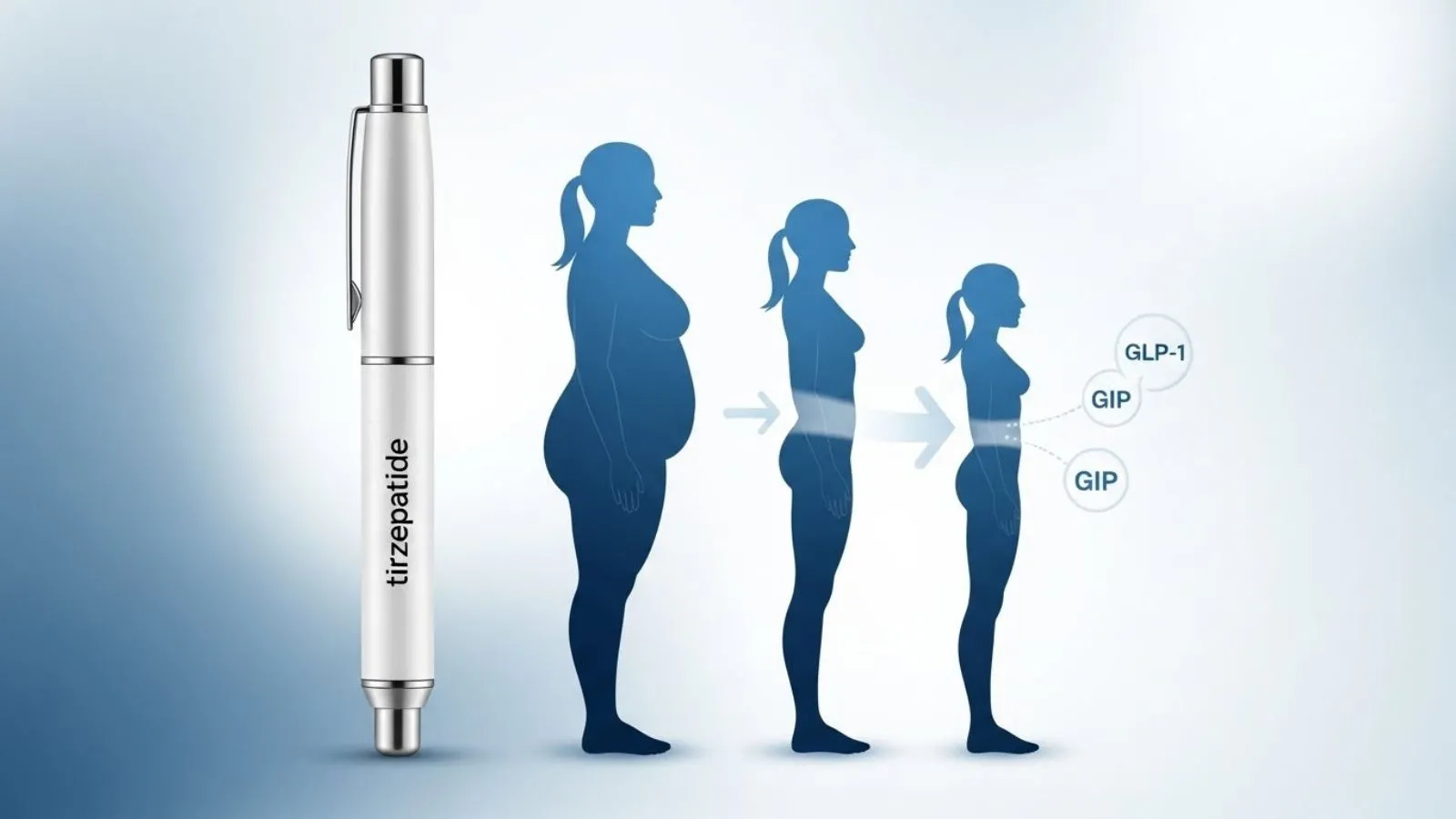
Weight loss has long been a challenge for millions of people struggling with obesity, metabolic disorders, and insulin resistance. Traditional approaches such as dieting and exercise often produce limited or short-term results, leading many to search for more effective medical solutions. In recent years, tirzepatide has emerged as a groundbreaking option in the field of weight loss treatment. Originally developed to manage type 2 diabetes, tirzepatide has shown remarkable results in promoting significant and sustained weight loss.
Unlike older medications, tirzepatide targets two key hormones involved in appetite control and metabolism GLP-1 and GIP helping reduce hunger, improve insulin sensitivity, and support fat loss. Clinical studies and real-world experiences suggest that tirzepatide may outperform other injectable weight loss medications. This comprehensive guide explores how tirzepatide works, its benefits, potential risks, and what to expect when using it for weight loss.
What Is Tirzepatide?
Tirzepatide is a prescription injectable medication that belongs to a newer class of metabolic treatments designed to improve blood sugar control and support significant weight loss. It is best known under the brand names Mounjaro (for type 2 diabetes) and Zepbound (approved specifically for chronic weight management). What makes tirzepatide unique is its dual-action mechanism, as it activates both GLP-1 (glucagon-like peptide-1) and GIP (glucose-dependent insulinotropic polypeptide) receptors two key hormones involved in appetite regulation and metabolism.
Unlike earlier weight loss medications that target only one pathway, tirzepatide works on multiple hormonal signals that influence hunger, satiety, insulin response, and energy balance. By reducing appetite, slowing stomach emptying, and improving how the body uses insulin, tirzepatide helps people naturally consume fewer calories while maintaining better blood sugar stability.
Although tirzepatide was initially developed to treat type 2 diabetes, clinical trials revealed substantial weight loss benefits even in people without diabetes. These findings led to further research and eventual FDA approval for weight management in individuals with obesity or overweight conditions related to health risks.
Tirzepatide is administered as a once-weekly subcutaneous injection, making it convenient and easy to incorporate into long-term treatment plans. It is not a stimulant or a crash-diet solution; instead, it supports gradual, sustainable weight loss when combined with healthy lifestyle changes. For many patients, tirzepatide represents a major advancement in modern, science-backed weight loss therapy.
How Tirzepatide Works for Weight Loss
Tirzepatide supports weight loss by targeting the body’s natural hormone system that regulates appetite, digestion, and metabolism. It is the first medication of its kind to activate both GLP-1 (glucagon-like peptide-1) and GIP (glucose-dependent insulinotropic polypeptide) receptors simultaneously. These hormones play a critical role in controlling hunger signals and how the body processes food.
GLP-1 helps reduce appetite by signaling the brain that you are full, which leads to smaller portion sizes and fewer cravings. It also slows gastric emptying, meaning food stays in the stomach longer, promoting prolonged satiety after meals. GIP enhances insulin sensitivity and supports better energy balance, allowing the body to manage blood sugar more efficiently while reducing fat storage. When combined, these two hormonal effects create a powerful environment for sustained weight loss.
Tirzepatide also influences reward pathways in the brain associated with food cravings, making high-calorie and sugary foods less appealing over time. Many users report a reduced desire to snack and a greater ability to maintain consistent eating habits. Additionally, improved insulin regulation helps prevent blood sugar spikes and crashes that often trigger overeating.
Unlike traditional weight loss methods that rely solely on calorie restriction, tirzepatide works with the body’s biology. This metabolic support allows for gradual and consistent fat loss rather than rapid, unsustainable results. When paired with a balanced diet, regular physical activity, and healthy lifestyle habits, tirzepatide can help individuals achieve meaningful weight loss while supporting overall metabolic health.
FDA Approval & Regulatory Status
Tirzepatide’s journey from a diabetes treatment to a dedicated weight loss medication is supported by strong regulatory review and clinical evidence. Initially, tirzepatide received FDA approval under the brand name Mounjaro for the treatment of type 2 diabetes. During these trials, researchers observed significant and consistent weight loss in participants, sparking further investigation into its potential for chronic weight management.
As a result of additional large-scale clinical studies focused specifically on obesity, the FDA later approved tirzepatide under the brand name Zepbound for weight loss in adults with obesity or those who are overweight and have at least one weight-related health condition, such as high blood pressure, high cholesterol, or insulin resistance. This approval marked an important milestone, as tirzepatide became one of the most effective prescription options available for medical weight management.
Tirzepatide is available by prescription only, meaning it must be prescribed by a licensed healthcare provider after evaluating an individual’s medical history and health goals. Prior to FDA approval for weight loss, some providers prescribed tirzepatide off-label based on emerging evidence. With formal approval now in place, patients have clearer guidelines regarding eligibility, dosing, and safety monitoring.
Regulatory agencies require ongoing post-marketing surveillance to track long-term safety and effectiveness. This ensures that any rare or delayed side effects are identified and addressed promptly. Overall, FDA approval reinforces tirzepatide’s credibility as a scientifically validated, regulated, and clinically proven option for weight loss when used appropriately under medical supervision.
Tirzepatide Dosage & Administration
Tirzepatide is administered as a once-weekly subcutaneous injection, typically injected into the abdomen, thigh, or upper arm. To minimize side effects and help the body adjust, treatment usually begins with a low starter dose, which is gradually increased over time through a process known as dose titration. This step-by-step approach helps reduce common gastrointestinal symptoms such as nausea or stomach discomfort.
Most treatment plans start at a low dose taken once per week for the first four weeks. If tolerated well, the dosage may be increased incrementally every few weeks until an effective maintenance dose is reached. The final dose varies depending on individual response, weight loss goals, and tolerance, and it should always be determined by a healthcare provider.
Tirzepatide injections are designed for self-administration using a prefilled pen, making them convenient and easy to use at home. The injection can be taken with or without food, but it should be administered on the same day each week for consistency. If a dose is missed, it may still be taken within a specific time window, as advised by a healthcare professional.
Proper storage is also important. Tirzepatide should be kept refrigerated until use, though it can remain at room temperature for a limited time if needed. Patients are advised not to freeze the medication or expose it to excessive heat.
Consistent dosing, regular follow-ups, and adherence to medical guidance are essential for achieving optimal weight loss results while maintaining safety throughout treatment.
How Much Weight Can You Lose on Tirzepatide?
Weight loss results with tirzepatide have been among the most impressive seen with any prescription weight loss medication to date. Clinical trials and real-world data show that many individuals experience substantial and sustained weight reduction when tirzepatide is used consistently alongside lifestyle changes. On average, participants in major studies lost a significant percentage of their starting body weight over several months of treatment, with some individuals achieving even greater results.
The amount of weight a person can lose on tirzepatide depends on several factors, including starting weight, dosage, treatment duration, diet quality, physical activity level, and individual metabolic response. People with higher starting body weight or insulin resistance often see more noticeable changes. Weight loss typically begins within the first few weeks, becoming more pronounced as the dose is gradually increased to an effective maintenance level.
Short-term results often include reduced appetite and early weight reduction within the first one to three months. Over six to twelve months, many users experience steady fat loss and improvements in body composition. Importantly, tirzepatide supports gradual weight loss rather than rapid drops, which helps preserve muscle mass and improves the likelihood of long-term success.
It is also important to set realistic expectations. While tirzepatide is highly effective, it is not a standalone solution. Individuals who follow a balanced, protein-rich diet, stay physically active, and maintain consistent dosing tend to achieve the best outcomes. Weight loss results can vary, but for many people, tirzepatide represents a powerful tool that makes sustainable weight loss more achievable than traditional methods alone.
Weight Loss Timeline: What to Expect Over Time
The weight loss journey with tirzepatide follows a gradual and structured timeline, allowing the body to adapt while promoting sustainable results. During the first few weeks, most individuals notice a decrease in appetite and fewer food cravings. Early weight loss may occur, though initial changes are often modest as the body adjusts to the medication and dosing begins at a lower level.
By months two to three, weight loss typically becomes more noticeable. As the dosage is increased, appetite suppression improves, portion sizes naturally decrease, and many people begin to see consistent weekly or monthly weight reduction. Energy levels may stabilize, and eating patterns often become easier to manage due to reduced hunger signals.
Between months four and six, many users experience their most significant progress. Fat loss becomes more apparent, clothing fits differently, and metabolic markers such as blood sugar and insulin sensitivity often improve. Some individuals may encounter brief weight loss plateaus during this phase, which is normal. Adjustments in diet, activity, or dosage under medical guidance can help overcome these periods.
After six months and beyond, weight loss tends to slow as the body approaches a new equilibrium. At this stage, tirzepatide helps with weight maintenance and long-term appetite control. Continued success depends heavily on lifestyle habits, including balanced nutrition, regular exercise, adequate sleep, and stress management.
It’s important to remember that individual timelines vary. Consistency, patience, and ongoing medical support play a critical role in achieving and maintaining long-term weight loss with tirzepatide.
Tirzepatide vs Other Weight Loss Medications
Tirzepatide stands out in the weight loss medication landscape due to its dual-hormone mechanism, which differentiates it from many existing treatments. Most injectable weight loss medications, such as semaglutide (Ozempic and Wegovy), target only the GLP-1 receptor. Tirzepatide, however, activates both GLP-1 and GIP receptors, leading to enhanced appetite control, improved insulin sensitivity, and potentially greater weight loss outcomes.
Clinical studies suggest that tirzepatide may produce more significant average weight loss compared to GLP-1–only medications. Many patients report stronger appetite suppression and improved metabolic effects, particularly those with insulin resistance or type 2 diabetes. This makes tirzepatide an appealing option for individuals who have not achieved desired results with other treatments.
Compared to older oral weight loss medications, tirzepatide offers a more targeted, hormone-based approach. Traditional medications often work by suppressing appetite through the nervous system or reducing fat absorption, which can lead to inconsistent results and unwanted side effects. Tirzepatide works with the body’s natural hormonal pathways, supporting gradual and sustainable weight loss.
However, tirzepatide may not be the best option for everyone. Cost, insurance coverage, tolerance to injections, and individual medical history all play important roles in treatment selection. Some people may experience fewer side effects or better results with alternative medications.
Ultimately, the best weight loss medication depends on individual needs, health conditions, and professional medical guidance. Tirzepatide represents a major advancement, but it is most effective when chosen as part of a personalized, medically supervised weight management plan.
Side Effects & Safety Profile
Like all prescription medications, tirzepatide can cause side effects, though many people tolerate it well, especially when the dosage is increased gradually. The most common side effects are gastrointestinal and include nausea, vomiting, diarrhea, constipation, and stomach discomfort. These symptoms are usually mild to moderate and tend to improve as the body adapts to the medication over time.
Starting at a low dose and following a gradual titration schedule helps minimize side effects. Eating smaller meals, avoiding high-fat foods, and staying well hydrated can also reduce digestive discomfort. Some individuals may experience fatigue or decreased appetite during the early stages of treatment, which often resolves with continued use.
Less common but more serious side effects can occur, though they are rare. These may include severe gastrointestinal symptoms, gallbladder-related issues, or allergic reactions. Tirzepatide carries a warning related to certain thyroid conditions, and it may not be suitable for individuals with a personal or family history of specific thyroid tumors. Because of this, a thorough medical evaluation is essential before starting treatment.
Ongoing monitoring by a healthcare provider helps ensure safety, particularly for individuals with existing medical conditions or those taking other medications. Regular follow-ups allow for dosage adjustments and early identification of potential concerns.
Overall, when used as prescribed and under medical supervision, tirzepatide has a strong safety profile supported by extensive clinical research. Understanding potential side effects and knowing when to seek medical advice can help users use tirzepatide safely while maximizing its weight loss benefits.
Who Is a Good Candidate for Tirzepatide?
Tirzepatide is intended for adults who struggle with obesity or excess weight and have not achieved sufficient results through diet and exercise alone. It is generally prescribed to individuals with a body mass index (BMI) of 30 or higher, or those with a BMI of 27 or higher who also have at least one weight-related health condition, such as high blood pressure, type 2 diabetes, high cholesterol, or insulin resistance.
People who experience strong hunger signals, frequent cravings, or difficulty controlling portion sizes may benefit most from tirzepatide, as it directly targets appetite regulation. It can be particularly helpful for individuals with metabolic conditions that make weight loss more challenging, including prediabetes and insulin resistance.
However, tirzepatide is not suitable for everyone. Individuals who are pregnant, breastfeeding, or planning to become pregnant should not use this medication. It may also be contraindicated for those with a personal or family history of certain thyroid tumors or specific endocrine disorders. A full medical evaluation is essential to determine eligibility and ensure safety.
Age, current medications, and overall health status are also considered when deciding whether tirzepatide is appropriate. Some individuals may require additional monitoring or dosage adjustments based on their medical history.
Ultimately, the best candidates for tirzepatide are those who are committed to long-term lifestyle changes and are willing to follow medical guidance. When combined with healthy eating, physical activity, and regular follow-up care, tirzepatide can be a valuable tool for achieving sustainable weight loss and improving overall health.
Diet & Lifestyle While Using Tirzepatide
While tirzepatide significantly reduces appetite and supports weight loss, long-term success depends on healthy diet and lifestyle habits. The medication works best when combined with balanced nutrition, regular physical activity, and consistent daily routines. Rather than following extreme diets, most healthcare providers recommend a sustainable eating approach that supports energy levels and muscle preservation.
A high-protein diet is often encouraged while using tirzepatide. Protein helps maintain lean muscle mass, promotes fullness, and supports metabolism during weight loss. Meals that include lean proteins, vegetables, healthy fats, and whole grains tend to be well tolerated. Because tirzepatide slows digestion, eating smaller, more frequent meals and chewing food slowly can help reduce nausea or discomfort.
Hydration is another important factor. Drinking adequate water throughout the day helps manage side effects, supports digestion, and prevents fatigue. Some people may experience reduced thirst, so making a conscious effort to stay hydrated is beneficial.
Regular physical activity enhances tirzepatide’s effectiveness. Strength training helps preserve muscle mass, while walking, cycling, or other aerobic exercises support fat loss and cardiovascular health. Even modest increases in daily movement can make a meaningful difference over time.
Sleep and stress management are often overlooked but play a critical role in weight loss. Poor sleep and chronic stress can interfere with appetite hormones and slow progress. Establishing consistent sleep schedules and stress-reduction practices can help maximize results while using tirzepatide.
Cost, Insurance & Accessibility
The cost of tirzepatide can vary widely depending on brand, dosage, location, and insurance coverage. Without insurance, the monthly cost of branded tirzepatide medications such as Zepbound or Mounjaro can be significant, making affordability an important consideration for many individuals seeking long-term treatment. Because weight loss often requires ongoing use, understanding the financial aspect is essential before starting therapy.
Insurance coverage for tirzepatide depends on the specific health plan and the indication for use. Some insurance providers cover tirzepatide when prescribed for type 2 diabetes, while coverage for weight loss may be more limited or require prior authorization. Patients may need to meet certain criteria, such as BMI thresholds or documented attempts at lifestyle-based weight loss, to qualify for coverage.
Manufacturer savings programs or discount cards may help reduce out-of-pocket costs for eligible patients. These programs typically apply to commercially insured individuals and may not be available for those with government-funded insurance. It is important to review eligibility requirements carefully.
In recent years, some patients have explored compounded tirzepatide through specialized pharmacies as a potentially lower-cost option. While this may improve accessibility, compounded medications are not FDA-approved in the same way as branded products, and quality can vary. Consulting a licensed healthcare provider is essential before considering this route.
Access to tirzepatide is expanding through in-person clinics and telehealth services. Regardless of the source, proper medical oversight is critical to ensure safe use, appropriate dosing, and long-term success.
What Happens When You Stop Tirzepatide?
Stopping tirzepatide can lead to different outcomes depending on individual habits, metabolic health, and lifestyle changes made during treatment. Because tirzepatide helps regulate appetite and metabolism, discontinuing it may result in a gradual return of hunger signals and cravings. Without ongoing support, some individuals may experience weight regain, especially if dietary and activity habits are not maintained.
Weight regain does not happen overnight. In many cases, it occurs slowly as appetite increases and portion control becomes more challenging. This is why healthcare providers often emphasize using tirzepatide as a tool to build sustainable habits rather than relying on the medication alone. Individuals who adopt balanced nutrition, regular exercise, and healthy routines during treatment are more likely to maintain their results after stopping.
Some patients may work with their healthcare provider to taper off tirzepatide rather than stopping abruptly. A gradual reduction in dosage can help the body adjust and may reduce sudden increases in appetite. Ongoing monitoring during this transition period can help identify early signs of weight regain and allow for timely adjustments.
In certain cases, long-term or maintenance therapy may be recommended, particularly for individuals with chronic obesity or metabolic conditions. Obesity is increasingly recognized as a long-term medical condition, and continued treatment may be necessary for sustained results.
Ultimately, stopping tirzepatide requires a proactive approach. Understanding potential changes, maintaining healthy behaviors, and staying in contact with a healthcare provider can help preserve weight loss achievements and support long-term health after discontinuation.
Real-World Results & Patient Experiences
Beyond clinical trials, real-world experiences with tirzepatide provide valuable insight into how the medication performs in everyday life. Many individuals report noticeable appetite reduction within the first few weeks, making it easier to control portions and reduce snacking. This early change often helps users stay motivated as they begin to see steady progress on the scale.
Patients frequently describe improved relationships with food, noting fewer cravings for sugary or high-calorie foods. Over time, these changes can lead to consistent weight loss and better adherence to healthier eating patterns. Some users also report improvements in energy levels, mobility, and confidence as weight decreases.
However, experiences can vary. While many people achieve significant weight loss, others may see slower progress or encounter temporary plateaus. Side effects such as nausea or digestive discomfort are commonly mentioned in the early stages but often subside as the body adjusts. Individuals who follow dosing instructions carefully and make supportive lifestyle changes tend to report more positive outcomes.
Real-world use also highlights the importance of consistency and patience. Tirzepatide is not an instant solution, and results accumulate over months rather than days. Those who approach treatment with realistic expectations and long-term goals often report the most satisfaction.
Overall, patient experiences reinforce findings from clinical studies: tirzepatide can be a powerful and effective weight loss tool when used correctly. Success is most common among individuals who remain engaged with their healthcare provider and commit to sustainable lifestyle changes alongside medication use.
Risks, Myths & Misconceptions
As tirzepatide gains popularity for weight loss, several myths and misunderstandings have also emerged. One common misconception is that tirzepatide is a “quick fix” that eliminates the need for healthy eating or exercise. In reality, while the medication significantly reduces appetite and supports metabolic health, long-term success still depends on lifestyle changes and consistent habits.
Another myth is that tirzepatide causes extreme or unhealthy weight loss. Clinical data and real-world use show that weight loss typically occurs gradually, which helps preserve muscle mass and reduce health risks. When monitored properly, tirzepatide supports sustainable fat loss rather than rapid or dangerous reductions.
Some people worry that using tirzepatide leads to dependency or that weight will automatically return once the medication is stopped. While appetite may increase after discontinuation, weight regain is not inevitable. Individuals who build healthy routines during treatment often maintain their results, especially with medical guidance.
There is also misinformation surrounding safety. Tirzepatide has undergone extensive clinical testing and continues to be monitored through regulatory safety programs. Like all medications, it carries risks, but serious complications are uncommon when prescribed appropriately. Most side effects are manageable and temporary.
Finally, social media often exaggerates both benefits and risks, creating unrealistic expectations. It is important to rely on evidence-based information and professional medical advice rather than anecdotal claims. Understanding the facts about tirzepatide helps individuals make informed decisions and approach weight loss with clarity, confidence, and realistic expectations.
Frequently Asked Questions (FAQs)
How fast does tirzepatide work for weight loss?
Most people begin to notice appetite suppression within the first few weeks of starting tirzepatide. Initial weight loss may occur during the first month, with more consistent and visible results developing over the next three to six months as the dosage increases and the body adapts.
Is tirzepatide safe for long-term use?
Clinical studies support tirzepatide’s safety when used under medical supervision. Ongoing monitoring and regular follow-ups with a healthcare provider help ensure long-term safety, especially for individuals with existing health conditions.
Can weight come back after stopping tirzepatide?
Weight regain is possible if lifestyle changes are not maintained. However, many people are able to keep the weight off by continuing healthy eating habits, regular exercise, and stress management practices learned during treatment.
Does tirzepatide cause muscle loss?
Gradual weight loss supported by adequate protein intake and strength training helps preserve lean muscle mass. Tirzepatide itself does not directly cause muscle loss.
Can you drink alcohol while taking tirzepatide?
Alcohol is not strictly prohibited, but moderation is advised. Alcohol can worsen gastrointestinal side effects and interfere with weight loss progress.
Who should avoid tirzepatide?
Tirzepatide is not recommended for pregnant or breastfeeding individuals or those with certain thyroid conditions. A healthcare provider can determine suitability based on medical history.
These answers address common concerns, but personalized medical advice should always come from a qualified healthcare professional.
Conclusion & Call to Action
Tirzepatide represents a major advancement in the treatment of obesity and medical weight management. By targeting both GLP-1 and GIP hormones, it addresses the biological drivers of hunger, insulin resistance, and metabolic imbalance that often make weight loss difficult. Clinical research and real-world experience consistently show that tirzepatide can support significant, sustainable weight loss when used as part of a medically supervised plan.
However, tirzepatide is not a standalone solution. Its true value lies in how it complements healthy lifestyle changes, including balanced nutrition, regular physical activity, adequate sleep, and stress management. Individuals who view tirzepatide as a long-term tool rather than a short-term fix are more likely to achieve lasting success and improved overall health.
If you are considering tirzepatide for weight loss, the first step is to speak with a qualified healthcare provider. A medical professional can evaluate your health history, determine whether you are a suitable candidate, and guide you through safe dosing and ongoing monitoring. Personalized support helps maximize results while minimizing potential risks.
For readers seeking reliable, evidence-based information on weight loss and metabolic health, continue exploring our related resources. Stay informed, ask questions, and make decisions rooted in science. Sustainable weight loss is achievable, and with the right tools, guidance, and commitment, tirzepatide may be an effective part of your journey toward better health and long-term well-being.

I am Clara Joyce, founder of Pure Blessia, shares uplifting words to inspire joy and gratitude every day.
I am Clara Joyce, founder of Pure Blessia, shares uplifting words to inspire joy and gratitude every day.